

Agua Brava by Antonio Puig is a classic Spanish men’s Eau de Cologne that smells less like conventional citrus cologne and more like a walk through a dry Mediterranean landscape. Imagine lemon peel, crushed lavender and sage, pine needles, bay leaves, weathered woods, moss, vetiver, and leather warmed by the sun.
Released in 1968, Agua Brava belongs to an era when masculine fragrance was built around herbs, woods, moss, citrus, and character rather than sweetness. More than half a century later, that distinction is exactly what makes it interesting.
From an editorial perspective, Agua Brava is not simply an inexpensive vintage cologne. It is an important example of Mediterranean masculine perfumery. The fragrance moves from a bright citrus and herbal opening into an unusually green heart dominated by pine, bay leaf, thyme, and spice. The dry down becomes earthier and more serious through oakmoss, vetiver, leather, sandalwood, patchouli, and musk.
There is very little sweetness here. Agua Brava is dry, green, aromatic, woody, slightly rugged, and unmistakably traditional.
For men who believe fresh fragrance has to smell aquatic, fruity, or like modern shower gel, Agua Brava offers a completely different definition of freshness.
What does Agua Brava by Antonio Puig smell like?
Agua Brava smells citrusy, herbal, green, woody, mossy, spicy, and traditionally masculine.
The opening is immediately fresh, but not in the modern aquatic sense. Lemon and bergamot provide brightness while lavender, sage, and juniper introduce an aromatic, almost outdoorsy sharpness.
As the citrus begins to settle, the fragrance becomes greener.
Pine is one of the defining notes, but Agua Brava does not smell like a simple pine air freshener. Bay leaf, thyme, clove, and carnation give the pine a more complex herbal and spicy background.
Bay leaf is especially important. It gives Agua Brava a dry, culinary herbal quality that separates it from sweeter or more polished modern colognes.
The dry down changes the mood considerably.
Oakmoss introduces an earthy, slightly damp forest character. Vetiver adds dry grassiness. Leather brings ruggedness. Sandalwood softens the woods, patchouli creates additional earthiness, and musk gives the fragrance a traditional masculine finish.
The result feels like citrus trees, herbs, pine forests, dry woods, moss, and leather rather than ocean water or blue shower gel.
That distinction is central to understanding Agua Brava.
What are the top, heart, and base notes of Agua Brava?
Release Year: 1968
Top Notes: Lavender, Lemon, Bergamot, Juniper, Sage
Heart Notes: Pine, Bay Leaf, Thyme, Clove, Carnation
Base Notes: Oakmoss, Vetiver, Leather, Sandalwood, Patchouli, Musk
Agua Brava develops in three very recognizable stages.
The opening is the freshest part, with lemon and bergamot creating citrus brightness while lavender, juniper, and sage establish its aromatic character.
The heart becomes greener and more distinctive. Pine, bay leaf, and thyme dominate the transition, while clove and carnation introduce spicy warmth.
The base is where Agua Brava gains much of its old-school masculine character. Oakmoss, vetiver, leather, sandalwood, patchouli, and musk create a dry, earthy, woody foundation that feels substantially deeper than the citrus opening suggests.
Is Agua Brava for men, women, or unisex?
Agua Brava was created and marketed as a fragrance for men.
Its pine, bay leaf, lavender, sage, oakmoss, vetiver, leather, sandalwood, and patchouli give it a traditionally masculine profile associated with classic European men’s perfumery.
That does not mean only men can wear it. Fragrance has no practical gender restriction, and anyone who enjoys dry green, herbal, mossy, woody fragrances could appreciate Agua Brava.
Its historical identity and overall scent profile, however, are firmly masculine.
How long does Agua Brava last?
Agua Brava Eau de Cologne generally provides approximately 3 to 5 hours of noticeable wear, although performance can vary considerably between wearers.
Factors that influence longevity include:
• Skin chemistry
• Number of sprays
• Temperature
• Humidity
• Skin hydration
• Application to clothing
• Bottle age
• Individual production batch
The citrus notes naturally disappear first.
Lavender, bay leaf, pine, oakmoss, vetiver, woods, leather, patchouli, and musk tend to remain longer and form the more persistent part of the fragrance.
Because Agua Brava is an Eau de Cologne rather than an Eau de Parfum, buyers should approach it as a traditional refreshing fragrance rather than expect the all-day performance associated with some modern high-concentration scents.
For longer wear, applying it to moisturized skin and lightly spraying clothing can help extend its presence.
How strong is Agua Brava's projection?
Agua Brava has moderate projection at the beginning, followed by a noticeably softer scent trail as it develops.
During roughly the first 30 to 60 minutes, the combination of citrus, lavender, juniper, sage, bay leaf, pine, and spices can feel surprisingly assertive for an Eau de Cologne.
After the opening settles, projection moves closer to the body.
The moss, vetiver, woods, leather, patchouli, and musk then create a more restrained personal scent bubble.
This makes Agua Brava easier to wear than its rugged scent profile may initially suggest.
It has personality without needing to fill an entire room.
What fragrance family is Agua Brava?
Agua Brava is best classified as a woody chypre fragrance with a strong aromatic character.
Several elements contribute to that classification.
The citrus opening provides traditional chypre brightness.
Oakmoss creates the earthy foundation associated with classic chypre perfumery.
Pine, sandalwood, patchouli, vetiver, and leather reinforce the woody structure.
Lavender, sage, juniper, bay leaf, and thyme give Agua Brava its strong aromatic identity.
For practical scent discovery, shoppers who enjoy woody aromatic fragrances, green fragrances, classic chypres, herbal colognes, pine fragrances, or traditional masculine scents should consider Agua Brava.
What seasons are best for Agua Brava?
Agua Brava performs especially well during spring and fall, with additional versatility during mild winter days and cooler summer conditions.
Spring
Spring may be Agua Brava's most natural season.
The lemon, bergamot, lavender, juniper, sage, pine, thyme, and bay leaf feel fresh and outdoorsy without becoming overly light.
Fall
Fall brings out the fragrance's oakmoss, leather, vetiver, sandalwood, patchouli, and woody character.
The transition from herbal freshness into an earthy base works particularly well in crisp weather.
Summer
Agua Brava can work in summer, especially during daytime or in dry climates, but lighter application is recommended during extreme heat.
Its citrus and herbs are refreshing, while the moss, leather, spices, and woods keep it from becoming a typical tropical summer fragrance.
Winter
It can also be worn in winter, particularly during the day, although men seeking a dense, sweet, powerful cold-weather fragrance may find it too light.
Best Seasons: Spring and fall
Also Works: Mild winter and moderate summer weather
Is Agua Brava better for daytime or nighttime?
Agua Brava is primarily a daytime fragrance, although it can transition comfortably into early evening.
Its citrus, lavender, herbs, pine, juniper, and dry woods make it particularly suited to mornings, afternoons, workdays, lunches, errands, outdoor activities, and relaxed social occasions.
At night, Agua Brava works best when the setting is understated.
It is less suited to someone looking for a sweet, seductive, club-oriented fragrance.
Think dinner on a terrace rather than a crowded nightclub.
What occasions should Agua Brava be worn for?
Agua Brava works best when its classic, clean, outdoorsy personality fits the environment.
Good occasions include:
• Everyday wear
• Office settings
• Business casual environments
• Weekend errands
• Lunch meetings
• Outdoor gatherings
• Casual dinners
• Travel
• Spring events
• Fall events
• Daytime dates
• Family gatherings
• Traditional grooming routines
• Relaxed social occasions
It can also function well as a signature scent for someone who deliberately prefers classic masculine fragrance over current trends.
Agua Brava does not demand formal clothing. A polo shirt, button-down shirt, sport coat, casual jacket, or clean everyday wardrobe can suit it equally well.
What age range is Agua Brava best suited for?
Agua Brava will probably feel most natural on men 30 and older, but age should not be treated as a rule.
The reason is stylistic rather than biological.
Agua Brava comes from a very different period of men’s fragrance. It contains little of the sweetness, aquatic freshness, vanilla, tonka-heavy warmth, or modern amber woods that younger fragrance shoppers may be accustomed to.
Someone in his twenties who enjoys vintage perfumery, pine, oakmoss, vetiver, herbs, lavender, and leather could wear Agua Brava extremely well.
Someone much older who prefers sweet modern fragrances may dislike it.
Personal taste matters more than age.
Is Agua Brava office appropriate?
Yes. Agua Brava is office appropriate when applied with restraint.
Its aromatic and woody character gives it enough personality to feel polished without becoming overly sweet or distracting.
For most professional environments, start with 2 to 3 sprays.
The opening can project noticeably, so applying it shortly before leaving home gives the citrus, pine, herbs, and spices time to settle before entering the workplace.
Once the fragrance reaches its woody and mossy dry down, it becomes much quieter.
Agua Brava is particularly suited to business environments where understated, traditional grooming feels more appropriate than a loud or highly sweet fragrance.
Is Agua Brava good for dates?
Yes, particularly for daytime dates, casual dinners, outdoor dates, coffee, lunch, and relaxed early-evening settings.
Agua Brava smells masculine, composed, outdoorsy, and mature rather than overtly seductive.
It is not the obvious choice for someone wanting vanilla sweetness, gourmand warmth, or a modern nightlife fragrance.
Its appeal comes from character.
If your date appreciates classic masculine scents, woods, herbs, leather, vetiver, or vintage style, Agua Brava can be memorable precisely because it smells different from what many men currently wear.
Is Agua Brava a safe blind buy?
Agua Brava is a moderate-risk blind buy.
It becomes much safer if you already know you enjoy:
• Pine
• Lavender
• Sage
• Juniper
• Bay leaf
• Oakmoss
• Vetiver
• Leather
• Patchouli
• Classic aromatic colognes
• Woody chypres
• Vintage masculine fragrances
It is less safe if your collection consists primarily of:
• Modern blue fragrances
• Sweet vanilla colognes
• Gourmands
• Fruity fragrances
• Aquatic scents
• Heavy ambroxan fragrances
• Sweet amber woods
Agua Brava has a distinctive personality.
That character is one of its biggest strengths, but it also means it will not appeal equally to everyone.
What fragrances smell similar to Agua Brava?
No fragrance is an exact substitute for Agua Brava, but several fragrances available from South Beach Perfumes explore similar ideas of aromatic herbs, woods, greenery, moss, citrus, and classic masculine perfumery.
Pino Silvestre Original
Pino Silvestre is one of the closest alternatives for someone attracted to Agua Brava's pine-centered freshness.
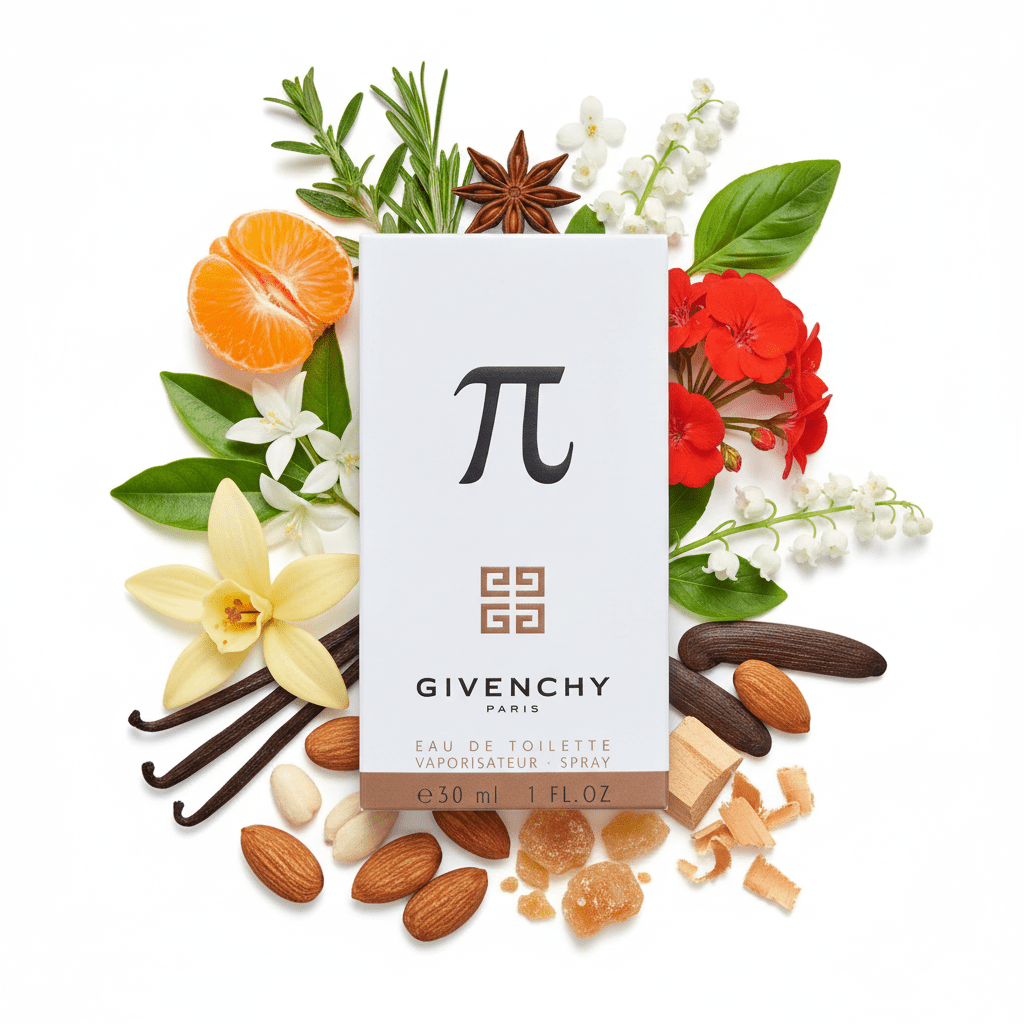
It combines citrus, lavender, basil, pine, clary sage, thyme, juniper, woods, amber, and musk.
Both fragrances smell green, herbal, outdoorsy, aromatic, and distinctly traditional.
Pino Silvestre places greater emphasis on fresh pine and coniferous character.
Agua Brava feels drier, more herbal, more mossy, and slightly more rugged because of its bay leaf, oakmoss, vetiver, leather, and patchouli.
If pine is your favorite part of Agua Brava, Pino Silvestre should be high on the list of fragrances to explore next.
Grey Flannel by Geoffrey Beene
Grey Flannel is an excellent alternative for someone who appreciates the green and mossy side of Agua Brava.
Its galbanum, citrus, violet, sage, oakmoss, sandalwood, cedarwood, tonka bean, and musk create another unmistakably classic masculine scent profile.
Both fragrances use greenery, aromatic notes, moss, woods, and musk to create personality.
Grey Flannel is more floral, violet-driven, powdery, and sharply green.
Agua Brava is more herbal, pine-like, citrusy, spicy, and outdoorsy.
Both are excellent examples of masculine fragrance from a period when standing apart mattered more than smelling universally familiar.
Tabac Original by Mäurer & Wirtz
Tabac Original approaches classic masculine fragrance from a more polished grooming direction.
Petitgrain, bergamot, lemon, neroli, pepper, lavender, chamomile, geranium, woods, sandalwood, vetiver, musk, carnation, and amber create a clean aromatic profile with vintage European character.
Both Tabac Original and Agua Brava use citrus, herbs, florals, vetiver, woods, and traditional masculine structures.
Tabac Original feels cleaner, soapier, more floral, and more closely associated with classic barbershop grooming.
Agua Brava feels greener, more outdoorsy, more pine-driven, earthier, and more rugged.
What is the difference between available Agua Brava concentrations?
The classic Agua Brava discussed in this guide is an Eau de Cologne.
South Beach Perfumes currently offers Agua Brava in Eau de Cologne presentations, including spray and splash formats.
It is important to understand that spray and splash describe the application method, not different fragrance concentrations.
Agua Brava Eau de Cologne Spray
The spray distributes a finer mist and makes controlled application easier.
It is ideal for applying Agua Brava to the neck, chest, wrists, or clothing.
Agua Brava Eau de Cologne Splash
The splash presentation is more traditional.
It can be applied more generously by hand and reflects the classic grooming culture associated with Eau de Cologne.
The underlying fragrance style remains the same. The primary difference is how the fragrance is applied.
Agua Brava has also existed in grooming-related formats over its long history, and Puig introduced a modern reinterpretation of Agua Brava within its Colonias Absolutas Puig collection in 2025. Shoppers should not automatically assume that every product carrying the Agua Brava name is identical to the classic 1968 formulation featured here.
Learn more about fragrance concentrations
Is Agua Brava discontinued?
The classic Agua Brava Eau de Cologne has limited and market-dependent availability, so it is better to avoid making a blanket statement that it has disappeared completely.
The fragrance continues to circulate through established fragrance retailers, including South Beach Perfumes, although particular sizes, presentations, packaging, and production versions can become difficult to find.
There is another important distinction.
In 2025, Puig introduced the Colonias Absolutas Puig collection and reinterpreted Agua Brava as part of that heritage project. The newer interpretation pays tribute to the original fragrance while developing its aromatic and woody character in a contemporary direction.
Collectors and shoppers looking specifically for the traditional Agua Brava should therefore pay attention to the bottle, packaging, product description, and production version they are purchasing.
When was Agua Brava released?
Agua Brava was released in 1968.
Its age is significant.
The fragrance predates modern aquatic colognes, blue fragrances, sweet designer scents, and many of the aromatic formulas now considered standard in men’s perfumery.
Agua Brava represents a different idea of Mediterranean freshness.
Citrus.
Lavender.
Sage.
Juniper.
Pine.
Bay leaf.
Thyme.
Moss.
Vetiver.
Leather.
Woods.
Puig itself recognizes Agua Brava as an important part of its fragrance history and Mediterranean heritage.
That historical context helps explain why the fragrance smells so different from most contemporary men’s releases.
Who created Agua Brava?
Agua Brava was created by perfumers Marcel Carles and Rosendo Mateu.
The collaboration produced a fragrance that combines conventional cologne freshness with a much deeper green and woody structure.
Rather than allowing lemon and bergamot to carry the composition alone, Carles and Mateu surrounded the citrus with lavender, sage, juniper, pine, bay leaf, thyme, spices, oakmoss, vetiver, leather, woods, patchouli, and musk.
That architecture is a major reason Agua Brava remains recognizable decades after its release.
How many sprays of Agua Brava should be used?
Agua Brava Eau de Cologne is relatively forgiving, but the aromatic opening can be stronger than expected.
A practical starting point is:
Office: 2 to 3 sprays
Everyday Wear: 3 to 4 sprays
Outdoor Wear: 4 to 5 sprays
Casual Date: 3 sprays
Dinner: 3 to 4 sprays
Warm Weather: 2 to 3 sprays
Spring and Fall: 3 to 4 sprays
Cool Weather: 4 to 5 sprays
For most people, 3 to 4 sprays provides a good balance.
Because Agua Brava is an Eau de Cologne, some wearers may prefer reapplying later in the day rather than applying a large amount at once.
Is Agua Brava authentic at South Beach Perfumes?
Yes.
South Beach Perfumes sells authentic, original brand-name fragrances, including Agua Brava by Antonio Puig.
Because Agua Brava has existed since 1968, shoppers may encounter differences in packaging, labeling, bottle presentation, size, formulation, or country-specific distribution depending on production period.
Those differences do not automatically indicate that a fragrance is counterfeit.
Older fragrances often change presentation during long production histories.
Learn more about our product guarantee policy
Who should buy Agua Brava?
Agua Brava is an excellent choice for someone who enjoys:
• Classic men’s fragrances
• Woody chypres
• Aromatic colognes
• Pine fragrances
• Lavender
• Sage
• Juniper
• Bay leaf
• Thyme
• Oakmoss
• Vetiver
• Leather
• Sandalwood
• Patchouli
• Green fragrances
• Dry fragrances
• Traditional European colognes
• Vintage masculine perfumery
• Mediterranean-inspired scents
• Affordable fragrances with strong character
It is particularly appealing for someone who wants a fresh fragrance that smells like herbs, forests, citrus, moss, and woods rather than ocean water, fruit, vanilla, or shower gel.
Who may not like Agua Brava?
Agua Brava may not be ideal for someone who prefers:
• Sweet fragrances
• Vanilla-heavy colognes
• Gourmands
• Modern blue fragrances
• Fruity scents
• Tropical aquatics
• Heavy amber fragrances
• Extremely smooth minimalist scents
• Strong all-day projection
• Contemporary club fragrances
The herbal character deserves special attention.
Bay leaf, sage, thyme, juniper, pine, oakmoss, and vetiver create a distinctly dry and natural-smelling profile.
Someone accustomed to sweet contemporary designer fragrances may initially interpret that character as old-fashioned.
Someone who loves classic perfumery may interpret the exact same quality as authenticity and personality.
That divide is part of what makes Agua Brava interesting.
South Beach Perfumes Expert Review
Agua Brava by Antonio Puig deserves to be viewed as more than an inexpensive classic sitting quietly on the shelf.
It represents an almost forgotten definition of masculine freshness.
Today, freshness in men’s fragrance often means aquatic notes, grapefruit, ambroxan, clean musk, or a blue shower-gel effect.
Agua Brava predates that vocabulary.
Its freshness comes from lemon.
Bergamot.
Lavender.
Juniper.
Sage.
Then the fragrance does something more interesting.
Instead of moving toward water or sweetness, it moves deeper into the landscape.
Pine appears.
Bay leaves are crushed.
Thyme and clove add spice.
Carnation brings a subtle floral warmth.
Eventually the brightness fades and the ground underneath the fragrance becomes visible.
Oakmoss.
Vetiver.
Leather.
Sandalwood.
Patchouli.
Musk.
The fragrance begins in sunlight and finishes closer to the forest floor.
That progression is the heart of Agua Brava.
Its greatest strength is character.
It does not smell designed by committee.
It does not attempt to please every person in the room.
It has a point of view.
The tradeoff is equally clear. Anyone expecting modern sweetness, high projection, or eight to ten hours of performance may come away disappointed.
Agua Brava is an Eau de Cologne from a different tradition.
Wear it because you enjoy the scent, then reapply when necessary.
For lovers of Pino Silvestre, Grey Flannel, Tabac Original, green fragrances, woody chypres, oakmoss, aromatic herbs, traditional European colognes, or vintage masculine perfumery, Agua Brava remains worthy of discovery.
More importantly, it offers something increasingly difficult to find in modern fragrance.
It smells unmistakably like itself.
Looking for a fragrance that better matches your personality, wardrobe, and lifestyle? Explore our Ultimate Guide to Finding Your Signature Scent.




0 comments