

Boucheron Pour Homme is the kind of men's fragrance that makes classic tailoring feel relevant again. Released in 1991, it combines sparkling citrus, aromatic lavender and herbs, elegant florals, oakmoss, vetiver, sandalwood, incense, amber, and tonka bean into a refined composition that feels polished rather than dated. It has the freshness expected from an Eau de Toilette, but underneath that freshness is considerably more depth than the average modern citrus cologne.
The fragrance was created by Francis Deleamont, Jean-Pierre Béthouart, and Raymond Chaillan. Its structure reflects an era when masculine fragrances were comfortable using florals, mosses, incense, woods, and powdery notes alongside citrus and aromatics. Boucheron's current fragrance description continues to position Boucheron Homme as a citrus woody aromatic centered on bergamot, verbena, basil, coriander, patchouli, and sandalwood.
What Does Boucheron Pour Homme Smell Like?
Boucheron Pour Homme smells fresh, citrusy, aromatic, woody, slightly floral, mossy, and quietly warm.
The first impression is bright and energetic. Lemon, bergamot, orange, mandarin orange, and lemon verbena create a crisp citrus opening, while lavender and basil add an aromatic quality that immediately makes the fragrance feel more sophisticated than a straightforward citrus cologne.
As the fragrance develops, the floral heart becomes increasingly noticeable. Carnation provides a slightly spicy edge, while rose, jasmine, ylang-ylang, lily-of-the-valley, and orris root give the composition a polished floral character. The orris contributes a subtle powderiness that works especially well with the clean citrus notes.
The drydown changes the mood considerably. Oakmoss and vetiver create an earthy, slightly green foundation, sandalwood adds smoothness, and incense, benzoin, amber, tonka bean, and musk introduce warmth.
The overall effect is clean and elegant rather than sporty. It smells like polished shoes, a pressed shirt, fresh citrus peel, aromatic herbs, smooth woods, and a touch of incense. Boucheron Pour Homme has enough refinement for formal occasions but enough freshness to work as an everyday men's fragrance.
What Are the Top, Heart, and Base Notes in Boucheron Pour Homme?
Boucheron Pour Homme was released in 1991.
Top Notes: Lemon, Lemon Verbena, Bergamot, Lavender, Orange, Basil, Mandarin Orange
Heart Notes: Carnation, Rose, Jasmine, Ylang-Ylang, Lily-of-the-Valley, Orris Root
Base Notes: Oakmoss, Vetiver, Sandalwood, Incense, Musk, Benzoin, Amber, Tonka Bean
The opening is dominated by citrus and aromatic freshness. The middle introduces a surprisingly sophisticated floral structure, while the base adds moss, woods, incense, amber, and soft sweetness.
Boucheron's current official description presents a simplified version of the composition with bergamot and verbena in the opening, coriander and basil in the heart, and patchouli and sandalwood in the base. The broader historical note pyramid above reflects the fragrance's fuller traditional structure.
Is Boucheron Pour Homme for Men, Women, or Unisex?
Boucheron Pour Homme is officially a men's fragrance.
Its citrus, lavender, basil, vetiver, oakmoss, sandalwood, and aromatic character place it firmly within traditional masculine perfumery.
The floral heart is more noticeable than in many contemporary men's fragrances, but those florals are not particularly feminine in the overall composition. Rose, carnation, jasmine, and orris add elegance and complexity rather than changing its masculine identity.
Anyone who appreciates classic citrus woody fragrances can wear it, but it was created and marketed specifically for men.
How Long Does Boucheron Pour Homme Last?
Boucheron Pour Homme Eau de Toilette generally provides approximately 6 to 8 hours of wear, with some wearers experiencing longer performance depending on skin chemistry, climate, application, and formulation.
The citrus opening naturally fades first. Lemon, bergamot, mandarin orange, and verbena are most noticeable during the beginning of the fragrance.
The floral, woody, mossy, and amber elements last considerably longer. Oakmoss, vetiver, sandalwood, incense, musk, benzoin, amber, and tonka bean help keep the fragrance noticeable after the brighter opening has softened.
For an Eau de Toilette built around citrus, its overall staying power is respectable.
How Strong Is the Projection?
Boucheron Pour Homme has moderate projection.
During the first one to two hours, the citrus, verbena, lavender, basil, and florals create a noticeable scent bubble around the wearer.
Projection gradually becomes more restrained as the fragrance moves into its mossy, woody, and slightly powdery drydown.
It is noticeable enough to create presence but generally does not behave like an aggressive modern powerhouse fragrance. That balance contributes significantly to its usefulness in professional environments.
What Fragrance Family Is Boucheron Pour Homme?
Boucheron Pour Homme belongs primarily to the citrus woody aromatic fragrance family, with floral and chypre influences.
Boucheron's current fragrance license holder officially classifies it as citrus woody aromatic.
Its character combines several fragrance styles:
- Citrus freshness
- Aromatic herbs
- Lavender
- Classic masculine florals
- Oakmoss
- Vetiver
- Sandalwood
- Incense
- Amber
- Musk
The combination gives Boucheron Pour Homme considerably more depth than a typical fresh citrus fragrance.
What Seasons Is Boucheron Pour Homme Best For?
Boucheron Pour Homme is especially well suited to spring and fall, although its versatility allows it to work throughout much of the year.
Spring: Excellent
Summer: Very good with moderate application
Fall: Excellent
Winter: Good, especially during daytime or professional occasions
Spring allows the lemon, bergamot, verbena, lavender, and florals to feel especially crisp.
Fall brings out the sandalwood, vetiver, oakmoss, incense, amber, benzoin, and tonka bean.
During summer, the citrus and aromatics work well as long as the fragrance is not heavily applied in extreme heat.
Winter is also possible, although someone looking for a dense cold-weather fragrance may prefer something warmer and sweeter.
Is Boucheron Pour Homme Better for Daytime or Nighttime?
Boucheron Pour Homme is particularly strong for daytime wear, but it transitions comfortably into the evening.
Its citrus opening, lavender, aromatic herbs, and polished floral structure make it an excellent daytime fragrance for work, meetings, lunches, travel, and smart casual occasions.
At night, the oakmoss, sandalwood, incense, amber, benzoin, musk, and tonka bean provide enough warmth to prevent it from feeling strictly like a daytime fresh fragrance.
If choosing one setting where Boucheron Pour Homme performs best, daytime professional and sophisticated casual wear would be its strongest territory.
What Occasions Should Boucheron Pour Homme Be Worn For?
Boucheron Pour Homme works particularly well for business meetings, office wear, professional events, lunches, dinners, weddings, formal occasions, date nights, travel, smart casual gatherings, and everyday signature scent wear.
This is especially good fragrance territory for occasions when you want to smell polished without making the fragrance itself the center of attention.
Its combination of fresh citrus and traditional woods also works particularly well with suits, sport coats, dress shirts, business casual clothing, and classic menswear.
What Age Range Is Boucheron Pour Homme Best Suited For?
Boucheron Pour Homme can be worn by any adult, although its style will probably appeal most naturally to men in their 30s and older, as well as younger fragrance enthusiasts who enjoy classic masculine perfumery.
The fragrance itself does not have an age requirement. The distinction comes from style.
Boucheron Pour Homme does not smell like a modern sweet club fragrance, aquatic blue cologne, or heavily ambroxan-driven scent. Its citrus, florals, oakmoss, vetiver, sandalwood, and incense give it a more traditional sense of sophistication.
A younger man who appreciates tailored clothing, vintage-inspired fragrances, or sophisticated citrus scents could easily wear it successfully.
Is Boucheron Pour Homme Office Appropriate?
Yes. Boucheron Pour Homme is very office appropriate.
In fact, professional wear is one of its strongest uses.
The citrus opening creates freshness, while lavender, basil, florals, sandalwood, vetiver, and oakmoss give it a polished quality that works naturally in business environments.
It has enough personality to avoid smelling generic, but moderate projection helps prevent it from overwhelming coworkers.
Approximately 2 to 4 sprays are usually enough for office use.
Is it good for dates? Yes. Boucheron Pour Homme works especially well for dinner dates, sophisticated casual dates, and situations where understated confidence is more appropriate than a loud or overly sweet fragrance.
Is it a safe blind buy? Moderately safe. Men who enjoy classic citrus, aromatic, woody, mossy, or traditional masculine fragrances have a good chance of appreciating it. Someone who exclusively wears modern blue fragrances, sweet vanilla colognes, or youthful club scents may want to sample it first.
What Fragrances Smell Similar to Boucheron Pour Homme?
Boucheron Pour Homme has a distinctive combination of citrus, florals, herbs, oakmoss, vetiver, woods, incense, and amber. These three fragrances from the South Beach Perfumes catalog explore related classic masculine territory without being exact copies.
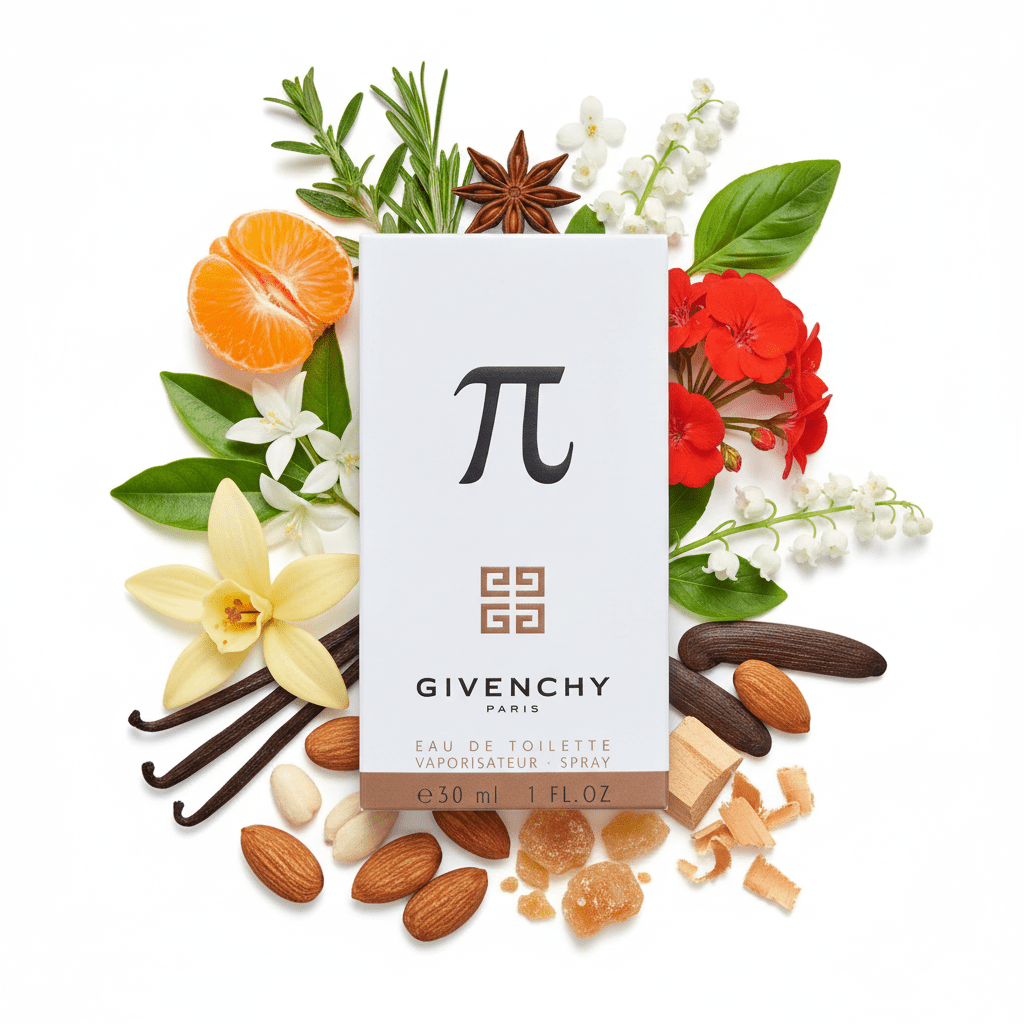
Grey Flannel by Geoffrey Beene
Grey Flannel is one of the strongest comparisons for someone who appreciates Boucheron Pour Homme's green, floral, mossy, and woody character.
Grey Flannel combines galbanum, petitgrain, neroli, bergamot, lemon, violet, rose, geranium, fern, sage, oakmoss, sandalwood, cedarwood, tonka bean, and musk.
Both fragrances use citrus, rose, oakmoss, sandalwood, tonka bean, musk, and classic masculine florals.
Grey Flannel is noticeably greener, sharper, more violet-driven, and more powdery.
Boucheron Pour Homme is brighter and more citrus-forward, with additional warmth from incense, benzoin, amber, and vetiver.
Choose Boucheron Pour Homme for citrus refinement and smooth woods. Choose Grey Flannel for a greener, more floral, distinctly vintage character.
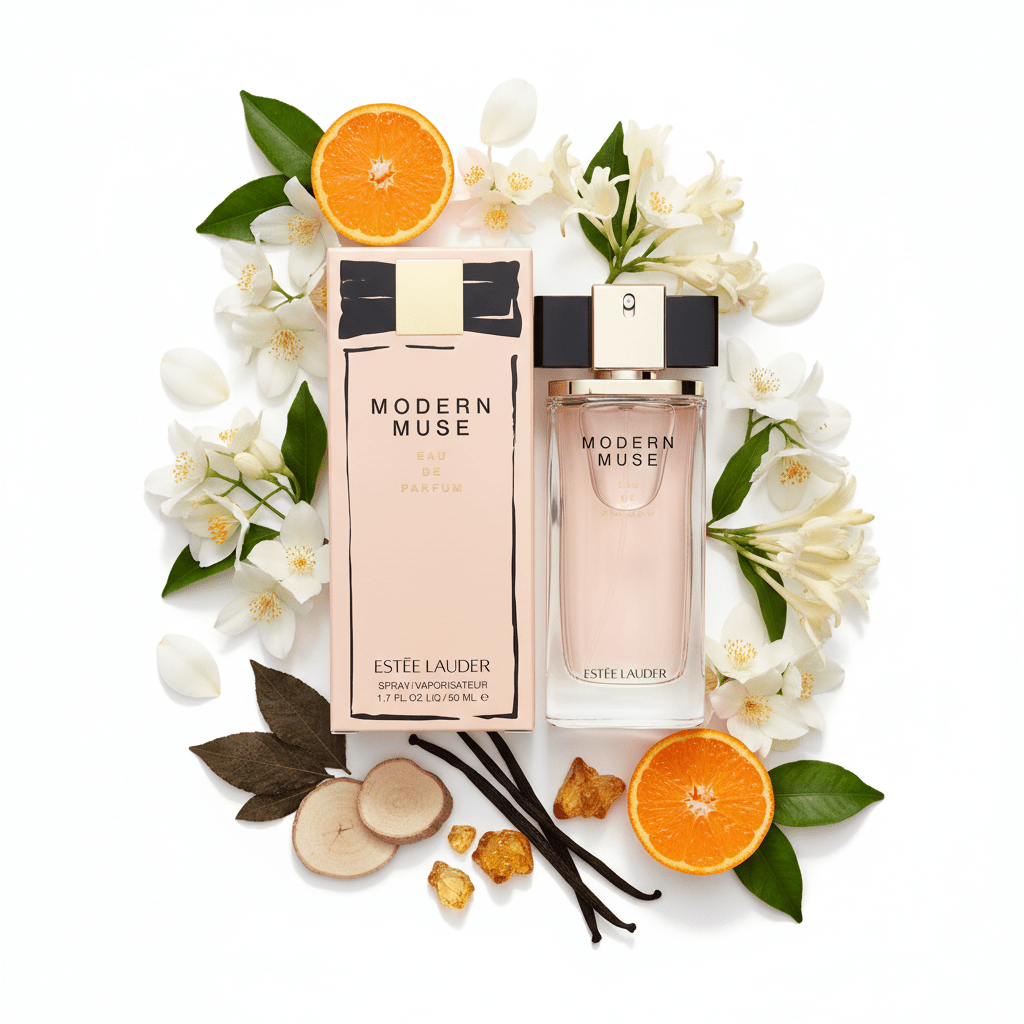
Agua Brava by Antonio Puig
Agua Brava is a particularly good alternative for someone attracted to the citrus, lavender, herbs, woods, oakmoss, and vetiver in Boucheron Pour Homme.
Agua Brava combines bergamot, lemon, lavender, sage, juniper, pine, bay leaf, thyme, clove, carnation, oakmoss, sandalwood, leather, patchouli, vetiver, and musk.
Both fragrances begin with citrus and aromatic herbs before developing into florals, moss, sandalwood, vetiver, and musk.
Agua Brava feels greener, more rugged, more herbal, and more outdoorsy.
Boucheron Pour Homme feels smoother, more polished, more floral, and more formal.
Choose Boucheron Pour Homme for refined elegance. Choose Agua Brava for Mediterranean herbs, woods, and a more rugged traditional masculine style.
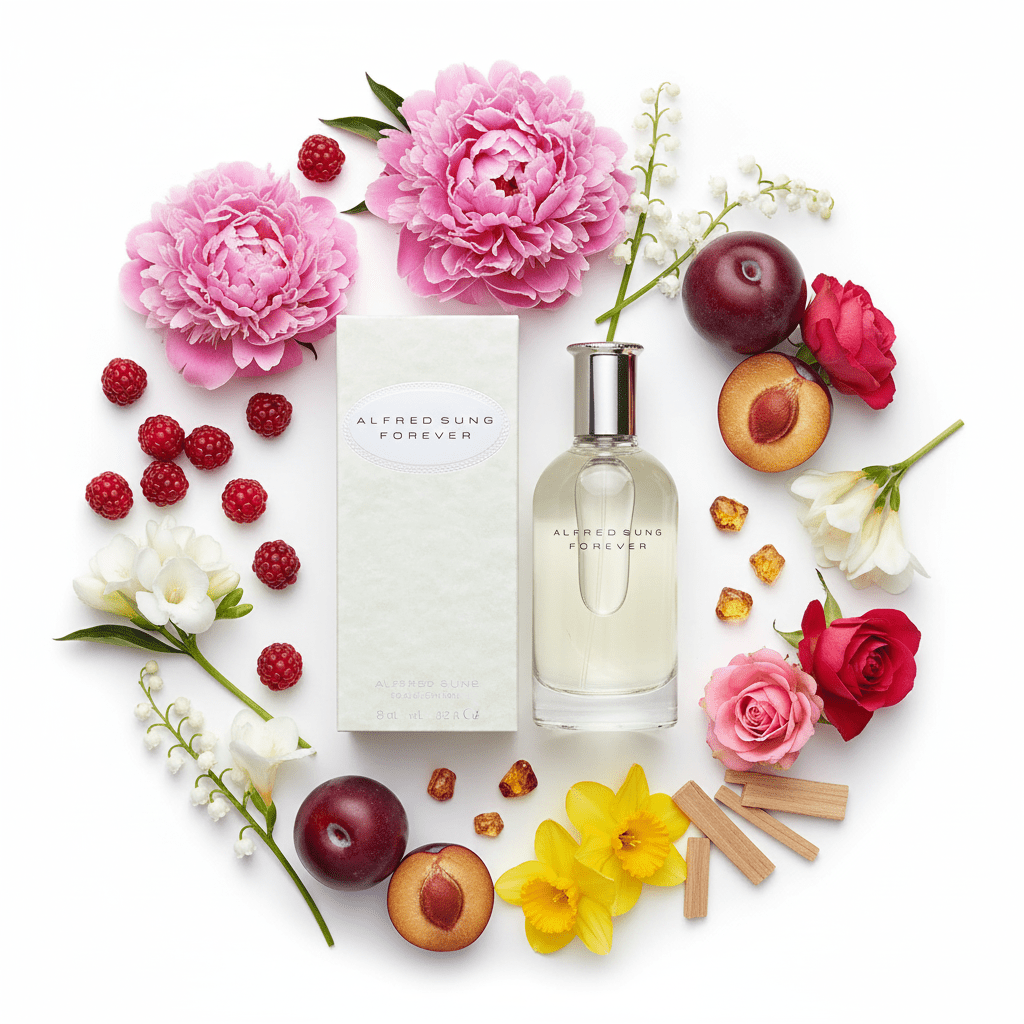
Paco Rabanne Pour Homme
Paco Rabanne Pour Homme shares Boucheron's interest in aromatic herbs, lavender, oakmoss, amber, musk, and tonka bean.
Its rosemary, clary sage, Brazilian rosewood, lavender, geranium, tonka bean, oakmoss, honey, musk, and amber create one of men's perfumery's best-known classic aromatic fougère profiles.
Paco Rabanne Pour Homme is greener, more herbal, more traditionally fougère, and slightly sweeter through honey and tonka bean.
Boucheron Pour Homme emphasizes citrus, elegant florals, vetiver, sandalwood, incense, and benzoin more strongly.
Choose Boucheron for polished citrus and woody sophistication. Choose Paco Rabanne Pour Homme for aromatic herbs, lavender, oakmoss, and traditional barbershop-inspired masculinity.
What Is the Difference Between Available Concentrations of Boucheron Pour Homme?
Boucheron Pour Homme has appeared in both Eau de Toilette and Eau de Parfum concentrations.
Eau de Toilette: The EDT emphasizes the fragrance's fresh citrus and aromatic qualities. Lemon, bergamot, verbena, lavender, basil, florals, oakmoss, vetiver, and sandalwood create a brighter and more transparent wearing experience. It is particularly well suited to daytime use, work, spring, fall, and mild weather.
Eau de Parfum: The EDP offers a more concentrated interpretation of the Boucheron Homme identity and is currently sold through some fragrance and department-store channels. Current descriptions center it around bergamot and verbena, coriander and basil, followed by patchouli and sandalwood. It generally feels fuller and is a better option for someone prioritizing richness and longevity.
For shoppers who want maximum versatility and brighter citrus freshness, the Eau de Toilette is an excellent choice.
For someone who prefers greater concentration and a somewhat richer presentation, the Eau de Parfum may be preferable.
Learn more about fragrance concentrations
Is Boucheron Pour Homme Discontinued?
No. Boucheron Pour Homme should not be considered discontinued.
Interparfums currently maintains Boucheron Homme as part of the active Boucheron fragrance portfolio and continues to identify the Eau de Toilette within the line.
Availability can vary by bottle size, retailer, country, and concentration, but fluctuations in inventory should not be confused with the fragrance being discontinued.
When Was Boucheron Pour Homme Released?
Boucheron Pour Homme was released in 1991.
It followed Boucheron's first women's fragrance, introduced in 1988, and brought the French jewelry house's luxury identity into men's fragrance.
The bottle design also reflects Boucheron's jewelry and watchmaking heritage. Its broad shoulders and decorative edges reference the Maison's Reflet watch, linking the fragrance directly to Boucheron's history of luxury design.
More than three decades after its release, the fragrance remains recognizable because it combines traditional masculine structure with enough citrus brightness to remain wearable today.
Who Created Boucheron Pour Homme?
Boucheron Pour Homme is credited to perfumers Francis Deleamont, Jean-Pierre Béthouart, and Raymond Chaillan.
The fragrance shows how effectively citrus, herbs, florals, mosses, woods, and warm base notes can be combined within one masculine composition.
The opening feels bright.
The heart becomes increasingly floral and polished.
The base becomes woody, mossy, warm, and slightly smoky.
That progression gives Boucheron Pour Homme more character than a fragrance designed simply to remain fresh from beginning to end.
How Many Sprays of Boucheron Pour Homme Should Be Used?
For most situations, 3 to 5 sprays should provide an appropriate amount of fragrance.
For the office or close professional environments, approximately 2 to 3 sprays are usually enough.
For everyday daytime wear, 3 to 4 sprays work well.
For dinners, evening occasions, or cooler weather, approximately 4 to 5 sprays can give the fragrance additional presence.
Boucheron Pour Homme is an Eau de Toilette, but its oakmoss, vetiver, sandalwood, incense, benzoin, amber, tonka bean, and musk give the drydown enough substance that excessive spraying is unnecessary.
Is Boucheron Pour Homme Authentic?
Yes. South Beach Perfumes sells authentic, original designer fragrances, including Boucheron Pour Homme Eau de Toilette.
Packaging, labeling, bottle details, and presentation can sometimes change as manufacturers update production or packaging. Minor differences between bottles from different production periods do not automatically indicate an authenticity problem.
Learn more about our product guarantee policy
Who Should Buy Boucheron Pour Homme?
Boucheron Pour Homme is especially well suited for men who enjoy classic masculine fragrances, citrus colognes with greater depth, aromatic herbs, lavender, vetiver, sandalwood, oakmoss, elegant florals, incense, sophisticated office fragrances, traditional European perfumery, and fragrances that complement tailored clothing.
It is also an excellent choice for someone who wants freshness without smelling generic.
Modern men's fragrance often separates into very fresh aquatic scents on one side and sweeter evening fragrances on the other. Boucheron Pour Homme sits comfortably between those categories. It is fresh enough for work and daytime use while still offering enough woods, moss, incense, amber, and florals to feel substantial.
Men searching for an affordable classic fragrance with a luxury pedigree should also consider it.
Who May Not Like Boucheron Pour Homme?
Boucheron Pour Homme may not appeal to someone who primarily prefers sweet vanilla colognes, modern blue fragrances, aquatic scents, gourmand fragrances, extremely youthful fragrances, or very powerful projection.
The presence of rose, carnation, jasmine, ylang-ylang, orris, oakmoss, incense, and sandalwood may also feel unfamiliar to someone accustomed exclusively to contemporary men's fragrances.
Its character is polished and traditional rather than sporty or club-oriented.
Someone looking for a highly sweet date-night fragrance or an aggressively projecting attention-grabber may want something different.
Final South Beach Perfumes Expert Review
Boucheron Pour Homme proves that a fresh men's fragrance does not have to be simple.
The opening immediately delivers the citrus brightness expected from a classic Eau de Toilette, but lemon, bergamot, orange, mandarin, and verbena are only the beginning. Lavender and basil give the opening structure and keep the citrus from feeling like an ordinary splash cologne.
The floral heart is one of the fragrance's most interesting qualities.
Carnation, rose, jasmine, ylang-ylang, lily-of-the-valley, and orris introduce a level of refinement rarely found in modern mass-market men's fragrances. They do not make the fragrance smell overtly floral. Instead, they create texture, elegance, and a subtle powderiness.
The drydown is where Boucheron Pour Homme earns its classic reputation.
Oakmoss and vetiver create an earthy masculine backbone. Sandalwood adds smoothness. Incense and benzoin introduce warmth, while amber, musk, and tonka bean keep the finish comfortable and polished.
Its greatest strength is versatility.
Boucheron Pour Homme can be worn to the office, a business meeting, lunch, dinner, a wedding, a date, or a formal event without feeling misplaced. It communicates refinement without trying too hard to impress.
The fragrance does show its era, but that is not necessarily a weakness. In a market crowded with sweet blue colognes and familiar fresh-woody formulas, Boucheron Pour Homme offers a different kind of masculinity. It is quieter, more tailored, and more sophisticated.
For the man who appreciates citrus, lavender, florals, vetiver, oakmoss, sandalwood, and classic European fragrance style, Boucheron Pour Homme remains a compelling fragrance more than three decades after its 1991 debut.
Explore our Ultimate Guide to Finding Your Signature Scent to discover which fragrance families, notes, seasons, and scent styles fit you best.




0 comments