

Coriandre by Jean Couturier is one of the most distinctive green chypre fragrances of the 1970s. Released in 1973, it combines coriander, aldehydes, angelica, orange blossom, rose, geranium, iris, ylang ylang, jasmine, oakmoss, patchouli, vetiver, sandalwood, musk, and a traditional civet accord.
From an editorial perspective, Coriandre is fascinating because it does not smell like the sweet perfumes that dominate modern fragrance counters. It is green, herbal, floral, mossy, earthy, and slightly animalic.
The coriander gives it a dry aromatic spice.
Aldehydes create sparkle.
Rose and geranium give the heart a cool floral quality.
Oakmoss, patchouli, vetiver, musk, and sandalwood make the dry down darker and more grounded.
Coriandre is elegant, but not delicate.
It is floral, but not soft.
It is fresh, but not aquatic.
For someone who wants to understand classic chypre perfumery, Coriandre is a fragrance worth experiencing.
What does Coriandre by Jean Couturier smell like?
Coriandre smells green, spicy, floral, mossy, earthy, slightly powdery, and sophisticated.
The fragrance opens with coriander, aldehydes, angelica, bergamot, and orange blossom.
Coriander provides an aromatic spicy quality that feels dry rather than hot.
Aldehydes add brightness and a clean sparkling effect.
Angelica gives the opening an herbal green tone.
Bergamot provides citrus freshness, while orange blossom begins introducing the floral side of the fragrance.
The heart becomes noticeably floral.
Rose and geranium are especially important.
Together they create a crisp, slightly green floral effect rather than a soft romantic rose.
Iris and violet root add a powdery quality.
Ylang ylang adds warmth.
Lily and jasmine broaden the floral bouquet.
The dry down is where Coriandre becomes unmistakably chypre.
Oakmoss provides dark green depth.
Vetiver brings dryness.
Patchouli adds earthiness.
Sandalwood gives the base smoothness.
Musk softens the composition, while the traditional civet accord adds additional depth to the historical structure.
The final result is green, floral, mossy, dry, and quietly powerful.
What are the top, heart, and base notes of Coriandre?
Release Year: 1973
Top Notes: Coriander, Aldehydes, Angelica, Bergamot, Orange Blossom
Heart Notes: Rose, Geranium, Violet Root, Ylang Ylang, Iris, Lily, Jasmine
Base Notes: Oakmoss, Vetiver, Patchouli, Civet Accord, Musk, Sandalwood
The progression is very clear.
The opening is green, aromatic, and sparkling.
The heart becomes floral and slightly powdery.
The base then becomes mossy, earthy, musky, and woody.
That contrast between freshness and darker chypre depth is what gives Coriandre its identity.
Is Coriandre for men, women, or unisex?
Coriandre was created and marketed as a women’s fragrance.
Its rose, jasmine, iris, ylang ylang, lily, and orange blossom provide a traditionally feminine floral structure.
However, the coriander, angelica, oakmoss, vetiver, patchouli, sandalwood, and musk make Coriandre noticeably drier than many women’s fragrances.
Someone who enjoys classic green chypres could easily appreciate Coriandre regardless of gender.
Its historical positioning remains feminine, but the scent itself is far from stereotypically sweet.
How long does Coriandre last?
Coriandre Eau de Toilette generally provides approximately 6 to 8 hours of noticeable wear.
Performance can vary depending on:
• Skin chemistry
• Number of sprays
• Temperature
• Production period
• Skin hydration
• Bottle age
• Storage conditions
The aldehydes and citrus naturally soften first.
Rose, geranium, oakmoss, patchouli, vetiver, musk, and sandalwood form the longer-lasting portion of the fragrance.
Coriandre has been reformulated over its long history, so older and newer bottles may not perform identically.
How strong is Coriandre’s projection?
Coriandre has moderate projection, with a more noticeable presence during the opening and floral heart.
The aldehydes, coriander, angelica, rose, and geranium create the strongest first impression.
As the fragrance develops, oakmoss, patchouli, vetiver, sandalwood, and musk create a quieter but persistent scent trail.
Coriandre is not about filling a room.
Its appeal comes from character and structure rather than sheer volume.
What fragrance family is Coriandre?
Coriandre belongs primarily to the chypre floral fragrance family with green, spicy, and woody characteristics.
Its major scent characteristics include:
Green: Angelica, Oakmoss
Spicy: Coriander
Aldehydic: Aldehydes
Floral: Rose, Geranium, Ylang Ylang, Jasmine, Lily
Powdery: Iris, Violet Root
Earthy: Patchouli, Vetiver
Mossy: Oakmoss
Woody: Sandalwood
Musky: Musk
The oakmoss, patchouli, and vetiver base is especially important because it gives Coriandre the classic chypre structure.
What seasons is Coriandre best for?
Coriandre performs particularly well during fall and spring, with winter also being a strong choice.
Fall
Fall may be Coriandre’s ideal season.
Oakmoss, patchouli, vetiver, sandalwood, coriander, and musk feel especially natural in cooler air.
Spring
The green herbal opening, orange blossom, rose, geranium, iris, and jasmine work beautifully in mild spring weather.
Winter
The mossy woody base gives Coriandre enough depth for colder conditions.
Summer
Coriandre can work during summer with light application.
The green and herbal elements remain fresh, but oakmoss and patchouli can become richer in very high heat.
Is Coriandre better for daytime or nighttime?
Coriandre works beautifully for daytime and early evening wear.
During the day, aldehydes, coriander, angelica, orange blossom, geranium, and rose feel crisp and polished.
In the evening, oakmoss, patchouli, vetiver, sandalwood, musk, and the deeper base become more noticeable.
It is particularly well suited to professional, artistic, and elegant environments.
What occasions should Coriandre be worn for?
Coriandre works particularly well for:
• Office wear
• Business meetings
• Lunch
• Dinner
• Theater
• Museums
• Formal daytime events
• Fall gatherings
• Spring events
• Vintage-inspired occasions
• Travel
• Everyday signature fragrance wear
It is a fragrance that feels intelligent and composed rather than playful.
What age range is Coriandre best suited for?
Coriandre does not have a strict age range.
It is especially likely to appeal to adults who enjoy classic perfumery, green fragrances, and fragrances with a dry mossy structure.
Someone who remembers Coriandre from earlier decades may appreciate its nostalgic character.
A younger fragrance enthusiast may appreciate how dramatically different it feels from modern gourmands and fruity florals.
Taste matters more than age.
Is Coriandre office appropriate?
Yes.
Coriandre is an excellent office fragrance when applied moderately.
Its green, floral, mossy, and woody character feels polished and professional.
For most workplaces, 2 sprays should be enough.
The aldehydes and coriander can create a noticeable opening, so heavy application is unnecessary.
Once it settles, the rose, geranium, oakmoss, vetiver, and sandalwood feel especially refined.
Is Coriandre good for dates?
Yes, particularly for someone who prefers classic sophistication over obvious sweetness.
Coriandre works well for:
• Dinner dates
• Wine bars
• Theater
• Museum dates
• Fall evenings
• Elegant lunches
• Quiet romantic settings
It is not a conventional sweet date fragrance.
Instead, it smells green, floral, dry, earthy, and distinctive.
Is Coriandre a safe blind buy?
Coriandre is a moderate to high-risk blind buy.
It is especially likely to appeal to someone who enjoys:
• Chypre perfumes
• Coriander
• Oakmoss
• Patchouli
• Vetiver
• Rose
• Geranium
• Iris
• Green fragrances
• Vintage perfumes
It is less safe for someone who primarily enjoys:
• Vanilla gourmands
• Candy-like fragrances
• Aquatic perfumes
• Very fruity scents
• Minimalist skin scents
• Low-moss fragrances
Oakmoss and coriander are the two biggest considerations.
They give Coriandre its personality.
They also make it very different from contemporary mainstream perfume.
What fragrances smell similar to Coriandre?
No fragrance smells exactly like Coriandre, but several perfumes available from South Beach Perfumes share its green floral, coriander, mossy, patchouli, and chypre personality.
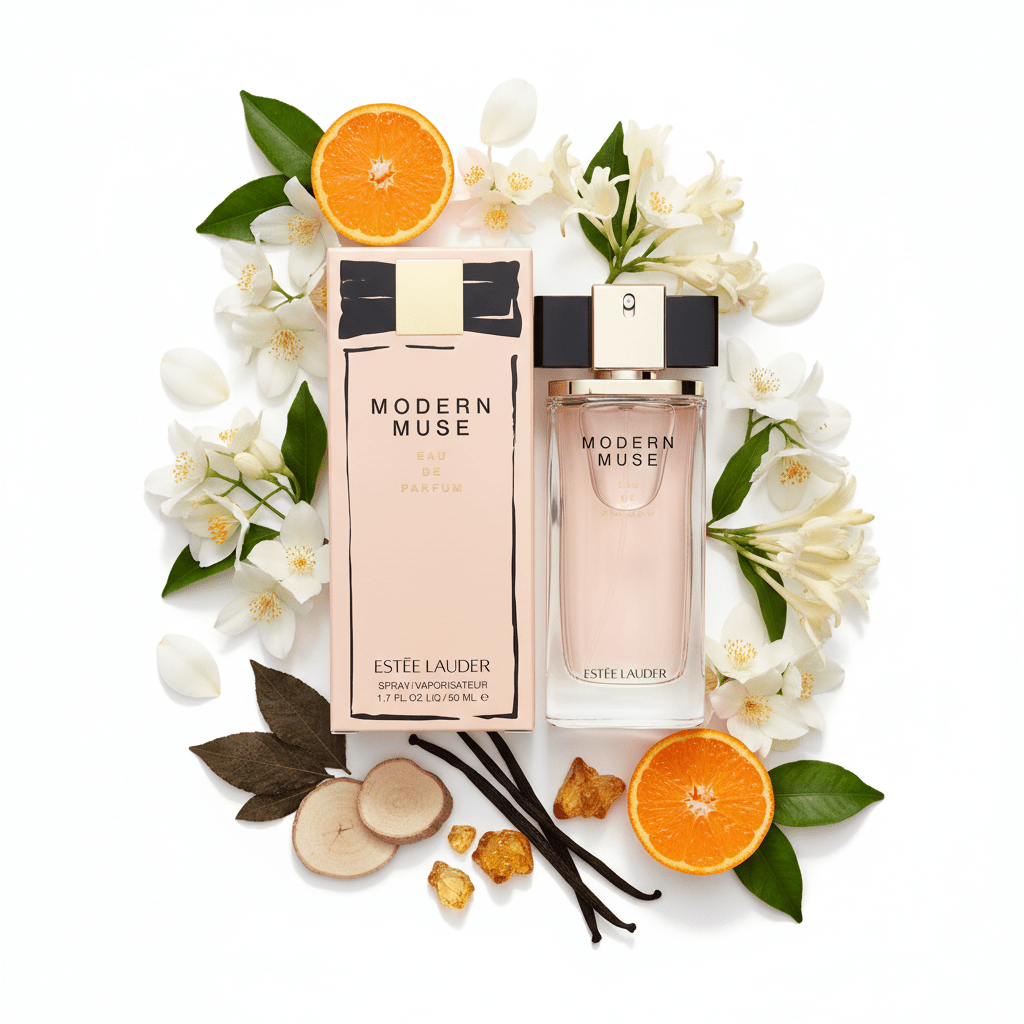
Eau de Private Collection by Estée Lauder
Eau de Private Collection is one of the strongest alternatives for someone who enjoys Coriandre’s green floral character.
It combines honeysuckle, jasmine, citrus, orange blossom, ylang ylang, coriander, sandalwood, and patchouli.
Both fragrances use coriander, florals, woods, and greenery to create a sophisticated scent.
Eau de Private Collection feels brighter, softer, and more floral.
Coriandre feels darker, mossier, spicier, and more traditional in its chypre construction.
Knowing by Estée Lauder
Knowing is an excellent alternative for someone who enjoys the deeper side of Coriandre.
It combines aldehydes, rose, coriander, patchouli, iris, cedar, oakmoss, vetiver, sandalwood, amber, musk, and traditional animalic depth.
Both fragrances use coriander, rose, patchouli, oakmoss, vetiver, sandalwood, and musk.
Knowing is darker, richer, and more powerful.
Coriandre is greener, colder, and more herbal.
Paloma Picasso Eau de Toilette
Paloma Picasso Eau de Toilette is another excellent comparison.
It combines aldehydes, coriander, bergamot, neroli, rose, jasmine, oakmoss, vetiver, sandalwood, musk, amber, and a traditional animalic accord.
Both fragrances sit firmly in classic chypre territory.
Paloma Picasso is bolder, darker, and more dramatic.
Coriandre feels greener, more herbal, and more restrained.
What is the difference between available Coriandre concentrations?
Coriandre has historically appeared in Eau de Toilette, Eau de Parfum, and Parfum concentrations.
Coriandre Eau de Toilette
The Eau de Toilette is one of the best-known versions.
It emphasizes the green aromatic opening, floral heart, and mossy woody dry down.
The current Jean Couturier Coriandre Eau de Toilette remains commercially marketed.
Coriandre Eau de Parfum
The Eau de Parfum offers a denser interpretation of the same green chypre structure.
Rose, oakmoss, patchouli, sandalwood, musk, and earthy characteristics generally feel richer and more substantial.
Coriandre Parfum
A Parfum concentration has also existed and is still documented in current fragrance catalogs.
It offers the deepest and most concentrated interpretation of Coriandre’s floral, mossy, woody, spicy, and animalic character.
Eau de Coriandre
Eau de Coriandre is a separate fragrance launched in 1996.
It is a fresher floral interpretation with a completely different note structure.
It should not be confused with a lighter concentration of the original Coriandre.
Learn more about fragrance concentrations
Is Coriandre discontinued?
No. Coriandre should not currently be considered discontinued.
The fragrance remains commercially represented through Jean Couturier distribution, and current fragrance databases list Coriandre Eau de Toilette, Eau de Parfum, and Parfum as being marketed.
The fragrance has been reformulated during its long production history.
The brand itself notes a major reformulation and relaunch during the 1990s.
That means vintage Coriandre and modern Coriandre should not automatically be expected to smell identical.
Older bottles may be richer in oakmoss, patchouli, musk, and animalic characteristics, while later formulas may feel cleaner and more restrained.
When was Coriandre released?
Coriandre by Jean Couturier was released in 1973.
The date is important because Coriandre became one of the fragrances associated with the emergence of the modern floral chypre style.
The Jean Couturier brand itself identifies Coriandre as an important early example of that fragrance family.
Its use of coriander, aldehydes, flowers, moss, woods, patchouli, and musk made it feel both classic and unconventional.
More than five decades later, that structure still gives Coriandre a recognizable identity.
Who created Coriandre?
Coriandre was created by Jacqueline Couturier.
Some fragrance references also associate Jean-Louis Sieuzac and Gérard Pelpel with the composition, but Jean Couturier’s own brand history specifically credits Jacqueline Couturier with creating Coriandre in 1973.
For Fragrance Encyclopedia accuracy, Jacqueline Couturier should therefore be treated as the primary credited perfumer.
Her composition is especially interesting because coriander is not used as a gimmick.
It works with aldehydes, angelica, rose, geranium, oakmoss, vetiver, patchouli, and musk to give the fragrance a dry aromatic tension.
How many sprays of Coriandre should be used?
Coriandre benefits from moderate application.
For most situations:
Office: 2 sprays
Everyday Wear: 2 to 3 sprays
Lunch: 2 to 3 sprays
Dinner: 3 sprays
Fall and Spring: 3 sprays
Cool Weather: 3 to 4 sprays
Warm Weather: 1 to 2 sprays
Two or three sprays are a good starting point.
The coriander, aldehydes, rose, geranium, oakmoss, and patchouli give the fragrance enough presence that heavy application is generally unnecessary.
Is Coriandre authentic at South Beach Perfumes?
Yes.
South Beach Perfumes sells authentic, original brand-name fragrances, including Coriandre by Jean Couturier.
The current South Beach Perfumes product page identifies Coriandre as the classic 1973 women’s chypre with coriander, aldehydes, angelica, orange blossom, rose, geranium, iris, ylang ylang, lily, jasmine, oakmoss, vetiver, patchouli, musk, and sandalwood.
South Beach Perfumes sources fragrance inventory through established distribution channels and stores products in a climate and light controlled environment.
Because Coriandre has been produced for decades, authentic bottles can show differences in packaging, formulation, liquid color, and labeling depending on production period.
Learn more about our product guarantee policy
Who should buy Coriandre?
Coriandre is an excellent choice for someone who enjoys:
• Classic chypre perfumes
• Green fragrances
• Coriander
• Aldehydes
• Rose
• Geranium
• Iris
• Oakmoss
• Patchouli
• Vetiver
• Sandalwood
• Musk
• Vintage fragrances
• Dry floral perfumes
• 1970s perfumery
• Fragrances with strong personality
It is particularly appealing for someone who feels modern perfume has become too sweet, too fruity, or too simple.
Who may not like Coriandre?
Coriandre may not be ideal for someone who prefers:
• Sweet vanilla gourmands
• Candy-like perfumes
• Tropical fragrances
• Aquatic scents
• Minimalist skin musks
• Extremely fruity florals
• Very low-moss compositions
• Powder-free fragrances
The fragrance can also feel challenging to someone unfamiliar with classic chypres.
Oakmoss, coriander, angelica, patchouli, vetiver, and traditional animalic depth create a profile that is dramatically different from most contemporary women’s fragrances.
For classic perfume lovers, that difference is the reason to wear it.
South Beach Perfumes Expert Review
Coriandre by Jean Couturier is exactly the kind of fragrance that explains why older perfumery still matters.
Released in 1973 and created by Jacqueline Couturier, it begins with an ingredient that most perfume brands would hesitate to make the star today.
Coriander.
Dry.
Aromatic.
Green.
Slightly spicy.
Then aldehydes brighten everything.
Angelica gives the opening more herbal depth.
Orange blossom provides softness.
The fragrance gradually becomes floral.
Rose.
Geranium.
Iris.
Ylang ylang.
Jasmine.
But Coriandre never turns into a soft floral bouquet.
The greenery remains.
Then oakmoss appears.
Patchouli.
Vetiver.
Sandalwood.
Musk.
The fragrance becomes darker, earthier, and more structured.
That is where Coriandre earns its place in chypre history.
The base gives the flowers something solid to stand on.
The rose does not float.
It sits on moss.
The jasmine does not become sweet.
It sits against patchouli and vetiver.
The coriander does not disappear.
It continues running through the fragrance like a dry green thread.
This is perfume with architecture.
Modern fragrance often makes it easy to identify one dominant idea.
Vanilla.
Pear.
Rose.
Amber.
Coriandre is more complicated.
Its personality comes from the relationship between spice, herbs, flowers, moss, earth, woods, and musk.
That complexity is why it can initially feel unfamiliar.
It is also why it remains interesting.
For someone who loves Private Collection, Knowing, Paloma Picasso, vintage chypres, oakmoss, coriander, or perfumes that refuse to smell like everything else, Coriandre deserves serious attention.
South Beach Perfumes Expert Rating: 9.5/10
Best For: Green chypre, floral, and vintage fragrance lovers
Best Seasons: Fall and spring
Best Time: Day into evening
Longevity: Approximately 6 to 8 hours
Projection: Moderate
Blind Buy Rating: 6.5/10
Overall Character: Green, spicy, floral, mossy, earthy, dry, elegant, and distinctive
Looking for a fragrance that better matches your personality, taste, and lifestyle? Explore our Ultimate Guide to Finding Your Signature Scent.




0 comments