

Paco Rabanne Pour Homme by Paco Rabanne is one of the fragrances that helped define what a polished men's aromatic fougère could smell like. Released in 1973 and created by perfumer Jean Martel, it combines rosemary, clary sage, rosewood, lavender, geranium, tonka bean, oakmoss, honey, musk, and amber into a scent that feels green, herbal, clean, woody, subtly sweet, and unmistakably masculine. More than fifty years after its launch, Rabanne still maintains an official product page for Paco Rabanne Pour Homme, while Parfumo identifies it as currently marketed by Puig.
What makes Paco Rabanne Pour Homme worth revisiting today is that its freshness comes from herbs, lavender, greenery, moss, and woods rather than the aquatic notes or ambroxan commonly found in newer men's fragrances. The honey and tonka bean provide softness, but they never turn the fragrance into a sweet gourmand. It smells clean and confident without feeling generic.
What does Paco Rabanne Pour Homme smell like?
Paco Rabanne Pour Homme smells green, aromatic, herbal, lavender-forward, mossy, woody, clean, and subtly sweet.
The opening begins with rosemary, clary sage, and Brazilian rosewood. Rosemary gives the fragrance its unmistakable herbal freshness, clary sage adds a dry aromatic quality, and rosewood smooths the transition toward the floral and woody heart. South Beach Perfumes currently lists these as the three primary opening notes.
Lavender becomes increasingly important as the fragrance develops. It is joined by geranium and tonka bean, creating the familiar aromatic fougère character. Lavender and geranium provide a freshly groomed quality, while tonka bean adds a small amount of creamy sweetness.
The base is where Paco Rabanne Pour Homme becomes warmer and more distinctive. Oakmoss gives the fragrance a green, earthy foundation. Musk creates softness. Amber contributes warmth, and honey provides a gentle sweetness that is unusual enough to give the fragrance its own identity.
Rabanne's current official description emphasizes lavender, tarragon, geranium, and cloves and compares the fragrance to clean, freshly shaved skin, which captures its classic barbershop-like character particularly well.
What are the top, heart, and base notes of Paco Rabanne Pour Homme?
Paco Rabanne Pour Homme was released in 1973.
Top Notes: Rosemary, Clary Sage, Brazilian Rosewood
Heart Notes: Lavender, Geranium, Tonka Bean
Base Notes: Oakmoss, Honey, Musk, Amber
Some historical descriptions include additional materials such as laurel, tobacco, and clove. This is common with a fragrance that has existed for more than five decades and has been documented through several different note pyramids. Fragrantica's historical overview, for example, highlights rosemary, laurel leaf, sage, rosewood, lavender, geranium, tonka bean, oakmoss, honey, musk, amber, and tobacco.
The central structure remains consistent: aromatic herbs, lavender and geranium, followed by a mossy, musky, gently honeyed base.
Is Paco Rabanne Pour Homme for men, women, or unisex?
Paco Rabanne Pour Homme was created and marketed as a men's fragrance.
Its rosemary, sage, lavender, geranium, oakmoss, woods, musk, and amber give it a traditionally masculine aromatic profile. Parfumo continues to classify it as a men's fragrance.
Anyone who enjoys aromatic fougères can wear it, but its original positioning and scent structure are firmly rooted in classic men's perfumery.
How long does Paco Rabanne Pour Homme last?
Paco Rabanne Pour Homme offers good longevity, especially for an aromatic Eau de Toilette.
Approximately 6 to 8 hours is a reasonable expectation for many wearers, although vintage formulations may perform differently from current production.
Parfumo's current community data gives Paco Rabanne Pour Homme a 7.4 out of 10 for longevity from hundreds of ratings.
The herbal opening naturally softens first. Lavender, geranium, tonka bean, oakmoss, musk, honey, and amber remain more noticeable as the fragrance develops.
Older bottles can vary substantially in performance depending on production period and storage history.
How strong is the projection of Paco Rabanne Pour Homme?
Projection is moderate to moderately strong.
Parfumo currently gives Paco Rabanne Pour Homme a 7.1 out of 10 for sillage, which is impressive for a fragrance built around herbs, lavender, moss, and woods rather than modern high-impact amber materials.
The fragrance projects most strongly during the first few hours. Rosemary, sage, lavender, geranium, and the green fougère accord create a noticeable masculine scent bubble.
As it dries down, the fragrance becomes softer and more personal, with oakmoss, musk, honey, amber, and tonka bean providing most of the remaining character.
What fragrance family is Paco Rabanne Pour Homme?
Paco Rabanne Pour Homme belongs to the Aromatic Fougère fragrance family.
South Beach Perfumes currently classifies it as aromatic, fougère, and woody, while Parfumo describes its strongest accords as green, spicy, fougère, fresh, and woody.
It can reasonably be described as:
Aromatic Fougère
Green Aromatic
Woody Fougère
Fresh Spicy
Mossy Masculine
The defining relationship is between aromatic herbs, lavender, geranium, tonka bean, oakmoss, musk, amber, and subtle honey.
What seasons is Paco Rabanne Pour Homme best for?
Paco Rabanne Pour Homme performs especially well during spring and fall, while mild summer days and cooler winter daytime wear can also work.
Spring brings out the rosemary, sage, lavender, geranium, and green character.
Fall allows the oakmoss, tonka bean, honey, musk, and amber to feel slightly warmer and richer.
South Beach Perfumes currently recommends it particularly for spring, fall, daytime, and mildly cool weather.
It can be worn year-round, but extremely hot weather may make the herbal and mossy elements feel sharper, while very cold weather may make the fragrance seem lighter than richer amber or tobacco scents.
Is Paco Rabanne Pour Homme better for daytime or nighttime?
Paco Rabanne Pour Homme leans toward daytime wear, but it transitions comfortably into early evening.
The clean herbal opening makes it ideal for mornings, afternoons, work, lunches, and professional settings.
Oakmoss, musk, honey, amber, and tonka bean give the drydown enough warmth for dinner or a dressed-up evening.
This versatility is one reason the fragrance has survived for more than five decades.
What occasions should Paco Rabanne Pour Homme be worn for?
Paco Rabanne Pour Homme works particularly well for office wear, business meetings, lunches, professional events, daytime gatherings, dinners, weddings, church, travel, smart casual occasions, and everyday signature wear.
It is especially effective when you want to smell polished without wearing something overly sweet or attention-seeking.
South Beach Perfumes currently positions it for office wear, daytime outings, and slightly dressed-up evenings, which fits the fragrance's character well.
What age range is Paco Rabanne Pour Homme best suited for?
Paco Rabanne Pour Homme will probably appeal most naturally to adults approximately 30 and older, although there is no real age requirement.
The rosemary, lavender, geranium, oakmoss, musk, and fougère structure have a distinctly classic masculine character that may feel more traditional to younger fragrance wearers.
However, a younger man who enjoys barbershop fragrances, green scents, lavender, moss, or vintage-style perfumery may find it considerably more interesting than many newer releases.
It is better described as mature in style than restricted by age.
Is Paco Rabanne Pour Homme office appropriate?
Yes. Paco Rabanne Pour Homme is extremely office appropriate.
Its herbal, lavender, mossy, clean character feels polished and professional.
Two or three sprays should be enough for most workplaces.
It smells distinctly masculine without becoming overly sweet, smoky, or aggressive.
Is it good for dates? Yes, particularly for daytime dates, dinners, mature evening settings, restaurants, and occasions where you want to smell clean, confident, and well groomed rather than overtly seductive.
Is it a safe blind buy? Relatively safe for someone who already enjoys classic men's colognes, lavender, aromatic herbs, oakmoss, geranium, musk, or traditional fougères. It is less safe for someone who wears mainly sweet blue fragrances, vanilla elixirs, gourmands, or modern aquatic scents.
What fragrances smell similar to Paco Rabanne Pour Homme?
Paco Rabanne Pour Homme is a classic aromatic fougère, so the best comparisons within the South Beach Perfumes catalog are other fragrances built around lavender, herbs, woods, moss, spice, and traditional masculine structure.
Azzaro Pour Homme by Azzaro
Azzaro Pour Homme is one of the strongest alternatives for someone who enjoys the traditional masculine character of Paco Rabanne Pour Homme.
Lavender, lemon, basil, bergamot, clary sage, caraway, star anise, cardamom, leather, amber, oakmoss, musk, patchouli, woods, and tonka bean create another classic aromatic fougère. South Beach Perfumes currently describes it as a timeless aromatic fougère with lavender, woods, leather, herbs, and spice.
Paco Rabanne Pour Homme: greener, more herbal, honeyed, and mossy.
Azzaro Pour Homme: spicier, leathery, warmer, and somewhat darker.
Drakkar Noir by Guy Laroche
Drakkar Noir is an excellent option for someone who likes Paco Rabanne Pour Homme's clean aromatic side but wants something sharper and more assertive.
South Beach Perfumes describes Drakkar Noir as a classic fougère rich in herbs, aromatic spices, and deep woods.
Paco Rabanne Pour Homme: smoother, greener, more honeyed, more refined.
Drakkar Noir: darker, sharper, more aromatic, and more aggressively masculine.
Both work particularly well for everyday and professional wear.
Quorum by Antonio Puig
Quorum is a stronger alternative for someone attracted to the woody, mossy, and traditionally masculine side of Paco Rabanne Pour Homme.
South Beach Perfumes currently lists Quorum as a classic woody aromatic and leather fragrance for men.
Paco Rabanne Pour Homme: cleaner, more herbal, lavender-driven, softly sweet.
Quorum: darker, woodier, greener, leathery, and more forceful.
Quorum is the better choice if you want to move from classic fougère freshness into something more intense.
What is the difference between available Paco Rabanne Pour Homme concentrations?
Paco Rabanne Pour Homme is primarily known as an Eau de Toilette, and that remains the main fragrance concentration associated with the scent.
The South Beach Perfumes product page currently lists:
3.4 oz Eau de Toilette Spray
3.4 oz Eau de Toilette Spray Unboxed
6.7 oz Eau de Toilette Splash
The difference between spray and splash is primarily the application method, not a change in fragrance concentration.
Eau de Toilette Spray
The spray atomizes the fragrance into a fine mist and generally makes it easier to control how much is applied.
Eau de Toilette Splash
The splash format uses the same general Eau de Toilette fragrance style but is applied directly from the bottle rather than through an atomizer.
After Shave
Paco Rabanne Pour Homme has also historically been sold as an After Shave. Parfumo documents the After Shave version as a related 1973 release, although that grooming format is apparently discontinued.
There is no current Eau de Parfum or Parfum concentration that should be treated as a standard stronger version of Paco Rabanne Pour Homme.
Learn more about fragrance concentrations
Is Paco Rabanne Pour Homme discontinued?
No. Paco Rabanne Pour Homme is not currently discontinued.
Rabanne maintains an official Paco Rabanne Pour Homme product page, and Parfumo identifies the fragrance as currently marketed by Puig.
South Beach Perfumes also currently lists multiple Eau de Toilette formats with active inventory.
Certain historical bottle sizes, packaging designs, After Shaves, and older formulations have disappeared over time, but the original fragrance itself remains active.
When was Paco Rabanne Pour Homme released?
Paco Rabanne Pour Homme was released in 1973.
It was Paco Rabanne's first major men's fragrance and became one of the defining masculine fougères of its era.
Parfumo also notes that the fragrance received the Fragrance Foundation's Fragrance of the Year, Men's Luxury award in 1975.
More than half a century later, it remains in production, which is unusual in an industry where many fragrances disappear within a few years.
Who created Paco Rabanne Pour Homme?
Paco Rabanne Pour Homme was created by perfumer Jean Martel.
Parfumo's current source-backed and verified fragrance record credits Jean Martel with the 1973 composition.
Historical fragrance research also identifies Martel as a Givaudan perfumer and describes Paco Rabanne Pour Homme as an important benchmark in aromatic fougère perfumery.
The composition demonstrates why the fougère style became such an enduring foundation for men's fragrance. Fresh herbs create energy, lavender and geranium provide cleanliness, and oakmoss, musk, amber, honey, and tonka bean create warmth underneath.
How many sprays of Paco Rabanne Pour Homme should be used?
For most situations, 3 to 5 sprays should work well.
For office wear, start with two or three sprays.
For normal daytime use, three sprays generally provide good presence.
For dinner or an evening event, three to four sprays should be sufficient.
For outdoor wear or cooler weather, four to five sprays can work well.
Parfumo currently rates the fragrance 7.4 out of 10 for longevity and 7.1 for sillage, so there is little reason to overspray.
Vintage bottles may be significantly stronger or simply different in character, so older formulations should be applied more conservatively until you understand their performance.
Is Paco Rabanne Pour Homme authentic?
Yes. South Beach Perfumes states that its fragrances are 100% authentic, original brand-name products, and the Paco Rabanne Pour Homme product page currently lists authentic Eau de Toilette inventory in multiple formats.
Because Paco Rabanne Pour Homme has been sold since 1973, shoppers may encounter significant packaging differences.
Older bottles may use historic Paco Rabanne branding.
Newer bottles may reflect Rabanne's updated branding.
Spray bottles and splash bottles may look different.
Vintage packaging may also differ substantially from current production.
Those differences do not automatically indicate a counterfeit fragrance.
Learn more about our product guarantee policy
Who should buy Paco Rabanne Pour Homme?
Paco Rabanne Pour Homme is especially worth considering if you enjoy rosemary, lavender, clary sage, geranium, oakmoss, tonka bean, musk, honey, amber, aromatic fougères, classic barbershop fragrances, traditional men's colognes, green fragrances, and clean woody scents.
It is particularly strong for someone who wants an office fragrance that does not smell like every current blue cologne.
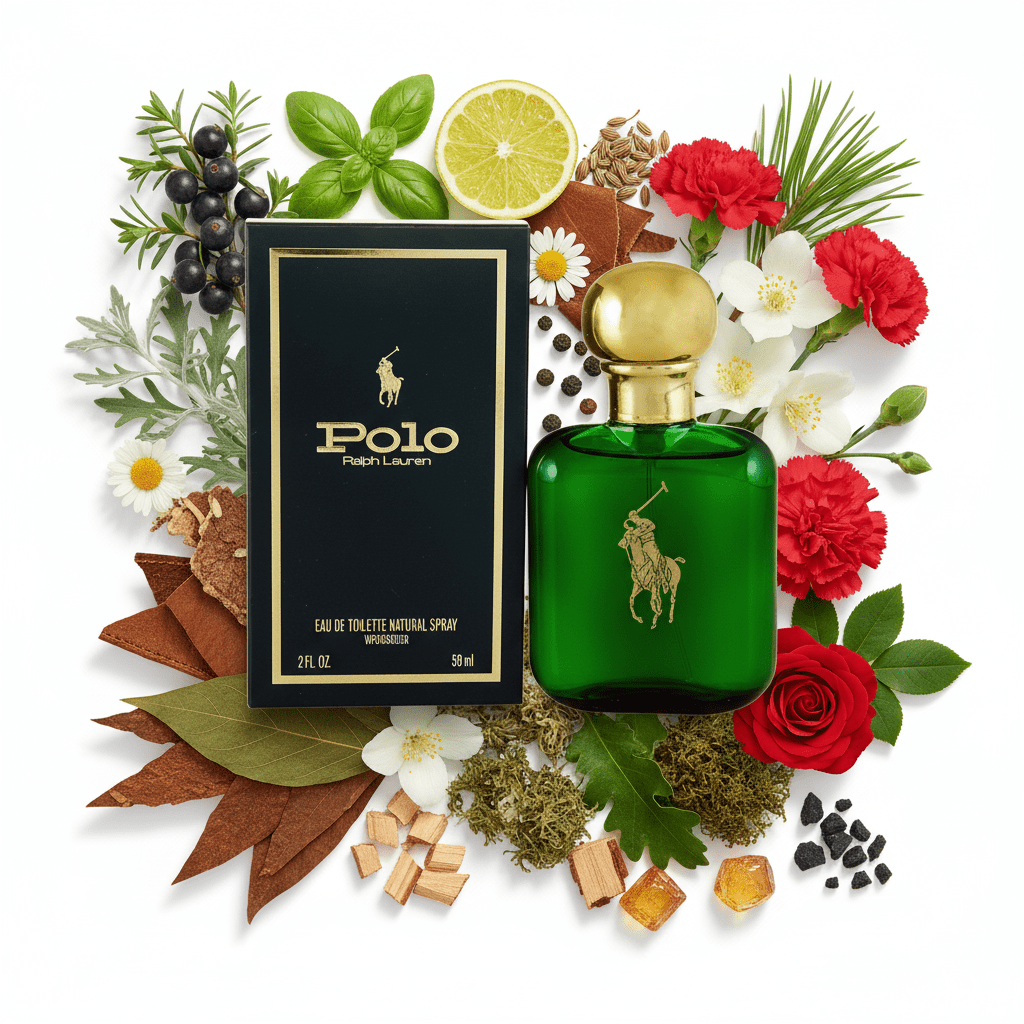
It is also worth exploring if you enjoy fragrances such as Azzaro Pour Homme, Drakkar Noir, Quorum, Polo, or Aramis and want another important example of classic men's perfumery.
Collectors interested in fragrance history should know Paco Rabanne Pour Homme as well. A men's fragrance that launched in 1973 and remains officially marketed more than fifty years later has earned a meaningful place in the category.
Who may not like Paco Rabanne Pour Homme?
Paco Rabanne Pour Homme may not appeal to someone who strongly prefers modern sweet fragrances.
There is no dominant vanilla gourmand effect.
There is no large aquatic accord.
There is no heavy ambroxan cloud.
There is no syrupy fruit.
The fragrance relies instead on herbs, lavender, geranium, moss, woods, musk, amber, tonka bean, and subtle honey.
Younger fragrance wearers who have primarily experienced modern blue fragrances may initially find its green fougère structure traditional.
Oakmoss and aromatic herbs can also feel old-school to someone who prefers smooth sweet drydowns.
That classic character is not a flaw. It is the identity of the fragrance.
Final South Beach Perfumes Expert Review
Paco Rabanne Pour Homme is one of those fragrances that helps explain why certain styles never really disappear.
The opening of rosemary, clary sage, and rosewood immediately establishes a fresh herbal identity. Lavender and geranium then create the clean, well-groomed heart associated with classic masculine fougères. Tonka bean softens the center before oakmoss, musk, honey, and amber create a warmer and slightly sweeter drydown.
The honey deserves particular attention.
It is not strong enough to make Paco Rabanne Pour Homme smell sweet in the modern sense.
Instead, it rounds off the herbs and moss.
That small amount of warmth is part of what prevents the fragrance from becoming harsh.
The oakmoss is equally important.
Without it, the fragrance could simply smell like lavender and herbs.
The moss gives it structure.
What also stands out today is how different its definition of "clean" is from modern men's fragrance.
Many current fragrances communicate cleanliness through aquatic notes, citrus, musk, or ambroxan.
Paco Rabanne Pour Homme does it through lavender, herbs, geranium, moss, and the impression of freshly shaved skin. Rabanne's current official description still emphasizes that clean-shaven effect.
Performance remains another strength.
Current community data rates longevity at 7.4 out of 10 and sillage at 7.1, strong numbers for a classic Eau de Toilette.
From an editorial perspective, Paco Rabanne Pour Homme is particularly easy to recommend for professional wear.
It smells mature.
It smells confident.
It smells clean.
It smells intentional.
It does not need enormous sweetness or projection to establish a masculine presence.
The fragrance is also historically important.
Released in 1973, created by Jean Martel, and still officially marketed today, Paco Rabanne Pour Homme has survived more than five decades of changing fragrance trends.
That does not mean it will appeal to everyone.
Someone who wants the latest sweet blue fragrance may find it traditional.
Someone who dislikes lavender, oakmoss, herbs, or barbershop-style fragrances may prefer something more contemporary.
But for a man who appreciates rosemary, sage, lavender, geranium, tonka bean, oakmoss, musk, honey, amber, and fragrances that communicate understated confidence, Paco Rabanne Pour Homme remains a benchmark worth experiencing.
It does not smell like a fragrance trying to be timeless.
It became timeless because men kept wearing it.




0 comments