

Paloma Picasso is a bold floral chypre for women that combines spicy florals, earthy patchouli, oakmoss, smooth woods, musk, amber, and distinctly animalic depth. Released in 1984 and created by perfumer Francis Bocris, it represents a powerful era of perfumery when fragrances were designed to have structure, development, and an unmistakable signature rather than simply smell fresh or sweet.
What immediately separates Paloma Picasso from many modern perfumes is its complexity. Carnation and coriander introduce spice, rose and neroli add floral brightness, patchouli creates earthy depth, and oakmoss, vetiver, sandalwood, musk, amber, civet, and castoreum produce a dark, mossy foundation.
This is not a delicate rose perfume or an easy fruity floral. Paloma Picasso smells confident, sophisticated, earthy, sensual, and slightly mysterious.
From our perspective at South Beach Perfumes, Paloma Picasso is one of the strongest choices for women who appreciate classic chypres and want a fragrance with real presence. It performs particularly well during fall and winter, at elegant dinners, formal events, date nights, theater outings, celebrations, and any occasion where a memorable fragrance feels appropriate.
What Does Paloma Picasso Eau de Parfum Smell Like?
Paloma Picasso smells floral, spicy, mossy, woody, earthy, musky, warm, and subtly animalic.
The opening is immediately complex. Carnation brings a spicy floral character while coriander adds aromatic warmth. Rose gives the fragrance classic femininity, while angelica contributes an herbal quality.
Neroli, bergamot, and Amalfi lemon provide brightness, but the citrus does not make Paloma Picasso smell fresh in the modern aquatic sense. Instead, the citrus creates contrast against the darker materials waiting underneath.
As the fragrance develops, patchouli becomes increasingly important. It gives the heart an earthy quality that supports hyacinth, jasmine, ylang-ylang, and mimosa.
Hyacinth contributes a fresh green floral tone, jasmine gives the fragrance sensual floral richness, ylang-ylang adds creaminess, and mimosa introduces a softer powdery quality.
The dry down is where Paloma Picasso becomes unmistakable.
Oakmoss creates a dry, earthy, forest-like foundation. Vetiver reinforces the green woody character, while sandalwood provides smoothness. Musk and amber add warmth.
Civet and castoreum create the animalic character associated with classic chypre perfumery. In modern production, these effects may be recreated using contemporary perfumery materials rather than traditional animal-derived ingredients.
Overall, Paloma Picasso smells like spicy rose, carnation, and aromatic citrus layered over earthy patchouli and lush florals before settling into oakmoss, woods, amber, musk, and a dark animalic warmth.
What Are the Top, Heart, and Base Notes of Paloma Picasso?
Release Year: 1984
Top Notes: Carnation, coriander, rose, angelica, neroli, bergamot, Amalfi lemon
Heart Notes: Patchouli, hyacinth, jasmine, ylang-ylang, mimosa
Base Notes: Oakmoss, civet accord, castoreum accord, vetiver, sandalwood, musk, amber
The current South Beach Perfumes listing and major fragrance references agree on this principal Eau de Parfum structure.
The opening balances spice, flowers, herbs, and citrus.
The heart introduces a darker patchouli character while continuing the floral theme.
The base transforms the fragrance into something earthier, warmer, and considerably more sensual through oakmoss, vetiver, woods, musk, amber, and animalic accords.
This progression is one of the reasons Paloma Picasso remains so distinctive decades after its release.
Is Paloma Picasso for Men, Women, or Unisex?
Paloma Picasso Eau de Parfum is officially marketed as a women's fragrance.
Its rose, carnation, jasmine, mimosa, ylang-ylang, and hyacinth create a traditionally feminine floral structure.
However, the fragrance also contains substantial patchouli, oakmoss, vetiver, woods, coriander, musk, and animalic notes.
As a result, Paloma Picasso can smell less conventionally feminine than many modern women's perfumes.
Anyone who enjoys traditional chypres, mossy perfumes, patchouli, vetiver, spicy florals, and animalic fragrance styles could wear it comfortably.
How Long Does Paloma Picasso Eau de Parfum Last?
Paloma Picasso Eau de Parfum is a long-lasting fragrance, commonly providing approximately 8 to 12 hours of noticeable wear for many users.
Some wearers may experience even longer performance on clothing.
Fragrance community performance data rates both its longevity and projection above average, which matches the fragrance's reputation as a powerful classic.
The opening florals and spice are strongest during the early portion of the wear, but patchouli, oakmoss, vetiver, sandalwood, amber, and musk can remain detectable for many hours.
Performance will vary according to:
- Skin chemistry
- Temperature
- Humidity
- Application amount
- Skin moisture
- Reformulation and production period
- Whether the fragrance is sprayed on skin or clothing
Paloma Picasso is not a fragrance that generally requires constant reapplication.
How Strong Is Paloma Picasso's Projection?
Paloma Picasso Eau de Parfum has strong projection, particularly during the first several hours.
This is a fragrance that can create a noticeable scent trail with relatively few sprays.
Carnation, coriander, rose, patchouli, jasmine, ylang-ylang, oakmoss, amber, and animalic facets all contribute to its presence.
Fragrance community data also places its sillage well above average.
For that reason, application should be approached more carefully than with a light citrus or skin scent.
Two or three sprays can create substantial presence indoors.
Four or more sprays may be appropriate outdoors or in cold weather, but can feel excessive in smaller enclosed environments.
What Fragrance Family Is Paloma Picasso?
Paloma Picasso belongs to the floral chypre fragrance family.
Its dominant scent characteristics include:
- Chypre
- Floral
- Woody
- Earthy
- Mossy
- Warm spicy
- Aromatic
- Musky
- Powdery
- Animalic
- Amber
- Green
A traditional chypre fragrance is generally built around contrast between bright citrus, floral or aromatic materials, and a darker mossy woody base.
Paloma Picasso follows that philosophy closely.
Bergamot and lemon provide brightness, flowers dominate much of the composition, and oakmoss, patchouli, vetiver, sandalwood, musk, and amber create the darker foundation.
What Seasons Is Paloma Picasso Best For?
Paloma Picasso is at its best during fall and winter.
Cool temperatures help control the fragrance's strong projection while allowing its patchouli, oakmoss, woods, amber, musk, and spices to develop beautifully.
Fall may be its ideal season. The earthy, mossy, woody structure feels especially natural once temperatures begin dropping.
Winter is equally strong, particularly for evening wear, formal events, holiday gatherings, dinners, and occasions where a rich fragrance feels appropriate.
Cool spring days and evenings can also work very well.
Summer requires considerably more restraint. The fragrance can become overwhelming in extreme heat because warm temperatures amplify its floral, animalic, musky, and patchouli character.
Best seasons: Fall and winter
Also excellent: Cool spring days and evenings
Summer: Best at night, indoors, or with very light application
Is Paloma Picasso Better for Daytime or Nighttime?
Paloma Picasso is strongest as an evening and nighttime fragrance.
Its patchouli, oakmoss, animalic facets, amber, musk, woods, carnation, and rich florals naturally suit dinner, theater, formal gatherings, cocktail events, and nighttime social settings.
That does not mean it cannot be worn during the daytime.
One or two sprays can work beautifully with polished daytime clothing, particularly during fall and winter.
For business environments, careful application is essential.
If choosing only one setting for Paloma Picasso Eau de Parfum, nighttime is where the fragrance shows its full personality.
What Occasions Should Paloma Picasso Be Worn For?
Paloma Picasso works particularly well for:
- Formal dinners
- Date nights
- Cocktail events
- Weddings
- Anniversary dinners
- Theater
- Opera
- Holiday parties
- Business dinners
- Evening receptions
- Special occasions
- Elegant social gatherings
- Fall events
- Winter events
- Sophisticated daytime occasions
It pairs naturally with tailored clothing, evening dresses, structured jackets, classic jewelry, formalwear, and elegant business attire.
Paloma Picasso can also be worn casually by someone who considers it a signature scent, but its personality is naturally more polished than relaxed.
What Age Range Is Paloma Picasso Best Suited For?
Paloma Picasso will probably appeal most strongly to women in their thirties and older, although fragrance preference matters far more than age.
The fragrance has a mature sense of structure because it relies on carnation, oakmoss, patchouli, vetiver, animalic facets, rose, sandalwood, and traditional chypre architecture.
Women who grew up wearing fragrances during the 1980s and 1990s may find its style familiar.
Younger fragrance enthusiasts who enjoy vintage perfumery, mossy chypres, unconventional fragrances, or stronger artistic compositions may find Paloma Picasso especially interesting.
This is not a perfume that needs an age restriction.
It simply requires appreciation for a fragrance style that is considerably richer and more complex than many contemporary fruity florals.
Is Paloma Picasso Office Appropriate?
Paloma Picasso can be office appropriate, but it requires careful application.
One spray may be enough in a small office.
Two sprays can work in a larger workspace.
We would not recommend applying five or six sprays before sitting in a conference room.
The oakmoss, patchouli, florals, musk, spices, and animalic notes create a substantial scent trail.
For professional use, the objective should be to let someone notice the fragrance when they are close rather than allowing it to dominate the entire room.
Is it good for dates? Yes. Paloma Picasso is excellent for dates if you enjoy sophisticated, mature, and sensual fragrances. Its rose, jasmine, patchouli, oakmoss, sandalwood, amber, musk, and animalic warmth create a much darker romantic personality than a sweet vanilla or fruity date-night perfume.
Is it a safe blind buy? No. Paloma Picasso is not what we would consider a universally safe blind buy. Women who already enjoy classic chypres, oakmoss, patchouli, carnation, animalic fragrances, and vintage perfume styles may love it immediately. Women who mainly wear fresh, sweet, aquatic, fruity, or gourmand fragrances should sample it first if possible.
What Fragrances Smell Similar to Paloma Picasso?
No fragrance is an exact replacement for Paloma Picasso, but several perfumes in the South Beach Perfumes catalog share its mossy, floral, patchouli-rich, woody, spicy, and chypre character.
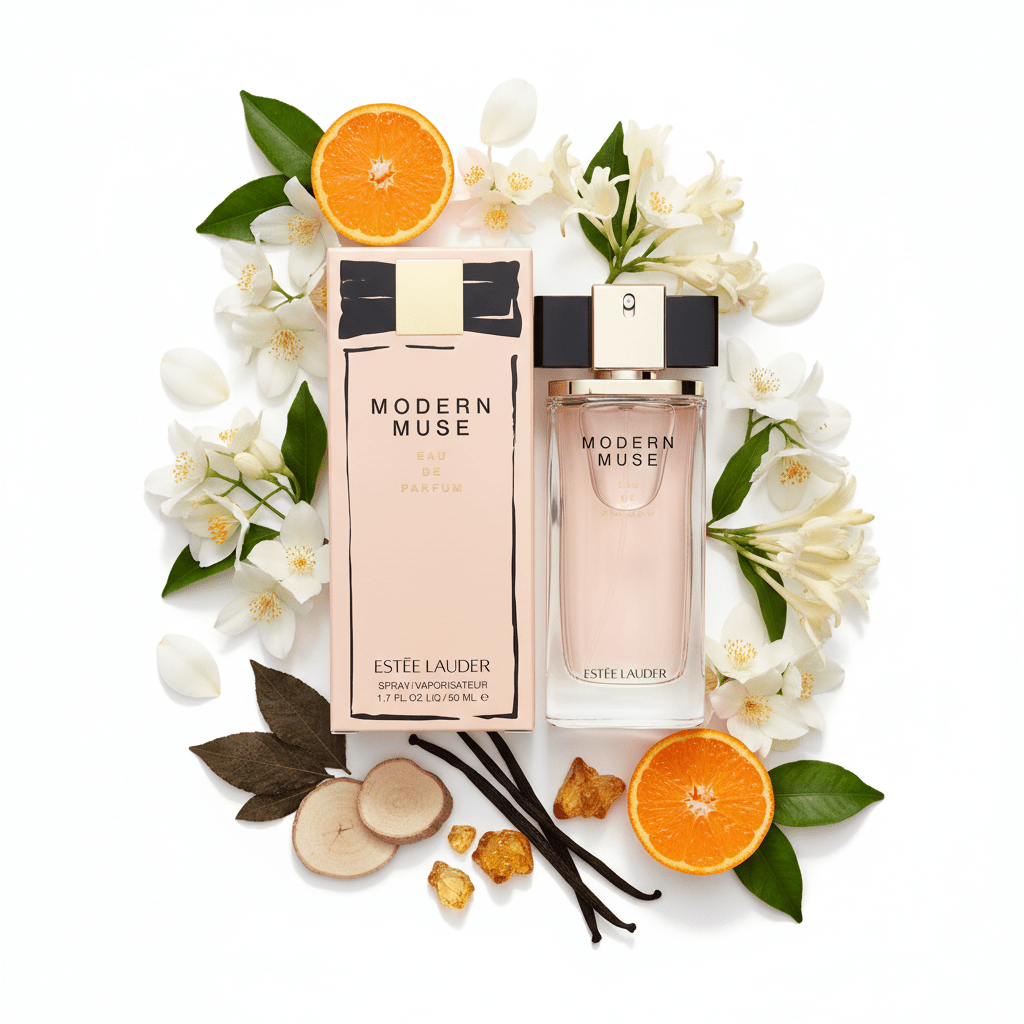
Knowing by Estée Lauder
Shop Knowing by Estée Lauder at South Beach Perfumes
Knowing is one of the strongest alternatives for someone who enjoys Paloma Picasso.
Knowing combines aldehydes, rose, coriander, green notes, tuberose, plum, and melon with patchouli, cardamom, orris root, cedar, jasmine, orange blossom, and lily of the valley. Oakmoss, patchouli, civet, vetiver, sandalwood, amber, musk, and warm spices create the dry down.
The overlap is substantial.
Both fragrances feature:
- Rose
- Coriander
- Jasmine
- Patchouli
- Oakmoss
- Civet-style animalic warmth
- Vetiver
- Sandalwood
- Amber
- Musk
Knowing feels somewhat warmer, spicier, and fruitier.
Paloma Picasso feels drier, more aromatic, more animalic, and more distinctly mossy.
If you love Paloma Picasso but want another powerful floral chypre, Knowing is one of the best places to start.
Aromatics Elixir by Clinique
Shop Aromatics Elixir by Clinique at South Beach Perfumes
Aromatics Elixir is another excellent choice for someone attracted to the earthy and herbal side of Paloma Picasso.
It combines chamomile, clary sage, verbena, bergamot, and geranium with jasmine, tuberose, rose, ylang-ylang, orange blossom, carnation, and orris root. The base contains oakmoss, patchouli, sandalwood, vetiver, incense, and musk.
Both fragrances feature:
- Carnation
- Rose
- Jasmine
- Ylang-ylang
- Oakmoss
- Patchouli
- Vetiver
- Sandalwood
- Musk
- Bergamot
Aromatics Elixir feels more herbal, medicinal, and incense-like.
Paloma Picasso feels more floral, spicier, more animalic, and warmer through amber.
Both are exceptional choices for women who want perfume with unmistakable character.
Coriandre by Jean Couturier
Explore Coriandre by Jean Couturier at South Beach Perfumes
Coriandre is an especially interesting comparison because coriander and angelica are central to its aromatic opening.
It combines coriander, aldehydes, angelica, bergamot, and orange blossom with rose, geranium, violet root, ylang-ylang, iris, lily, and jasmine. Oakmoss, vetiver, patchouli, civet, musk, and sandalwood form the base.
Both fragrances feature:
- Coriander
- Angelica
- Rose
- Ylang-ylang
- Jasmine
- Oakmoss
- Vetiver
- Patchouli
- Civet-style animalic notes
- Musk
- Sandalwood
Coriandre feels greener, more herbal, and somewhat drier.
Paloma Picasso feels richer, darker, more floral, and more dramatic.
For anyone fascinated by classic European chypres, comparing these two fragrances is particularly worthwhile.
What Is the Difference Between Paloma Picasso Eau de Parfum and Eau de Toilette?
Paloma Picasso is available in both Eau de Parfum and Eau de Toilette, and South Beach Perfumes currently lists both concentrations.
They share the same classic floral chypre identity, but they are not simply identical perfumes at different strengths.
Paloma Picasso Eau de Parfum
The Eau de Parfum emphasizes:
- Carnation
- Coriander
- Rose
- Angelica
- Neroli
- Bergamot
- Lemon
- Patchouli
- Hyacinth
- Jasmine
- Ylang-ylang
- Mimosa
- Oakmoss
- Animalic accords
- Vetiver
- Sandalwood
- Musk
- Amber
It feels richer, denser, warmer, earthier, and more animalic.
Projection and longevity are also typically stronger.
Paloma Picasso Eau de Toilette
The Eau de Toilette opens with aldehydes, coriander, bergamot, lemon, and neroli before moving into hyacinth, mimosa, May rose, lily of the valley, and jasmine. Oakmoss, civet-style animalic warmth, vetiver, musk, sandalwood, and amber form the base.
The EDT feels brighter and more aldehydic in the opening.
It emphasizes the fresh aromatic side of the composition while preserving the mossy floral chypre character.
Which Paloma Picasso Concentration Is Better?
Choose the Eau de Parfum if you want:
- Greater depth
- Stronger patchouli
- More spice
- A darker animalic character
- Greater richness
- Stronger evening presence
- Longer typical performance
Choose the Eau de Toilette if you want:
- A brighter opening
- More aldehydic sparkle
- A slightly fresher floral effect
- Easier daytime wear
- A lighter interpretation of the Paloma Picasso style
Both are recognizably Paloma Picasso, but they offer different experiences.
Learn more about fragrance concentrations
Is Paloma Picasso Discontinued?
No. Paloma Picasso Eau de Parfum should not currently be considered discontinued.
South Beach Perfumes currently lists the Eau de Parfum with active inventory, and current fragrance reference data also identifies Paloma Picasso Eau de Parfum as still in production.
The Eau de Toilette is also currently listed by South Beach Perfumes in multiple sizes.
Because Paloma Picasso dates back to 1984, customers may encounter bottles from different production periods.
Packaging, manufacturer information, labels, formulas, box colors, and ingredient lists can change over the decades.
A packaging variation does not automatically mean the fragrance has been discontinued or that a bottle is counterfeit.
When Was Paloma Picasso Released?
Paloma Picasso Eau de Parfum was released in 1984.
It was the first fragrance associated with Paloma Picasso and became one of the defining designer chypres of the 1980s.
The fragrance reflects the era beautifully.
Rather than emphasizing sweetness, it uses spicy florals, herbs, patchouli, oakmoss, vetiver, woods, musk, amber, and animalic accords to create a complex perfume with dramatic development.
More than four decades later, its structure remains distinctive compared with most contemporary women's releases.
Who Created Paloma Picasso?
Paloma Picasso Eau de Parfum was created by perfumer Francis Bocris, with Créations Aromatiques also credited in fragrance reference material.
The composition shows a strong understanding of classic chypre architecture.
Bergamot and lemon provide lift.
Carnation and coriander create spice.
Rose, jasmine, hyacinth, ylang-ylang, and mimosa build the floral body.
Patchouli connects the florals with the deeper base.
Oakmoss, vetiver, sandalwood, musk, amber, and animalic accords then create the dark foundation.
The result feels carefully structured rather than simply powerful.
How Many Sprays of Paloma Picasso Should Be Used?
Paloma Picasso Eau de Parfum should be applied conservatively.
For most situations:
Office: 1 spray
Daytime: 1 to 2 sprays
Dinner: 2 sprays
Date night: 2 to 3 sprays
Formal evening event: 2 to 3 sprays
Cold outdoor weather: 3 to 4 sprays
We rarely recommend starting with more than four sprays of Paloma Picasso Eau de Parfum.
Its strong projection means that a small application can already create a noticeable scent trail.
Good application areas include the neck, upper chest, and wrists.
A spray on clothing can significantly extend longevity, although delicate fabrics should always be treated carefully.
Avoid rubbing the fragrance into the skin after application.
Is Paloma Picasso Authentic?
Yes. Paloma Picasso Eau de Parfum sold by South Beach Perfumes is guaranteed authentic.
South Beach Perfumes sells original brand-name fragrances sourced through established distribution channels and identifies its fragrance inventory as 100% authentic.
This is particularly important with a fragrance that has existed since 1984.
Authentic Paloma Picasso bottles can vary depending on production year, packaging generation, distributor, and regional market.
Older boxes may not look exactly like newer ones.
Ingredient labels can change.
Bottle details can also evolve.
These differences alone do not indicate that a fragrance is counterfeit.
Learn more about our product guarantee policy
Who Should Buy Paloma Picasso?
Paloma Picasso is an excellent choice for someone who enjoys:
- Classic chypre fragrances
- Oakmoss
- Patchouli
- Rose
- Carnation
- Coriander
- Jasmine
- Hyacinth
- Ylang-ylang
- Vetiver
- Sandalwood
- Amber
- Musk
- Animalic fragrance styles
- Earthy perfumes
- Spicy florals
- Strong projection
- Long-lasting perfumes
- Vintage-inspired fragrances
- Sophisticated evening scents
- Fragrances with dramatic development
It is particularly appealing for someone who feels that many modern fragrances are too sweet, too fruity, too transparent, or too similar to one another.
Paloma Picasso has a recognizable identity from the first spray to the final dry down.
Who May Not Like Paloma Picasso?
Paloma Picasso may not be ideal for someone who strongly prefers:
- Fresh aquatic perfumes
- Light citrus fragrances
- Candy-like fruity florals
- Vanilla gourmands
- Caramel fragrances
- Minimalist skin scents
- Clean laundry musks
- Tropical coconut perfumes
- Very soft projection
- Simple linear fragrances
Oakmoss is one of the biggest considerations.
Patchouli is another.
The animalic character can also be challenging for someone accustomed exclusively to modern clean fragrances.
Women who dislike carnation, coriander, mossy notes, patchouli, vetiver, or vintage fragrance styles should sample Paloma Picasso before committing to a full bottle.
South Beach Perfumes Expert Review
Paloma Picasso Eau de Parfum is one of those fragrances that immediately reminds you how dramatically perfume trends have changed since the 1980s.
Modern designer perfumery frequently prioritizes sweetness, fruit, vanilla, clean musk, or transparent woods.
Paloma Picasso does almost the opposite.
It begins with carnation, coriander, rose, angelica, citrus, and neroli, creating an opening that feels floral but also spicy, herbal, and slightly sharp.
The carnation is particularly important.
Carnation has a naturally spicy floral effect that works beautifully with coriander. Together, they give Paloma Picasso an almost peppery warmth without relying on the cardamom and pink pepper combinations frequently used in contemporary perfumery.
Rose adds femininity, but this is not a romantic rose perfume.
Angelica, neroli, bergamot, and lemon keep the opening complex and somewhat austere.
The heart becomes darker.
Patchouli arrives with enough authority to alter the fragrance's entire personality. Hyacinth gives the floral bouquet a green quality, jasmine brings sensuality, ylang-ylang contributes richness, and mimosa creates a softer powdery contrast.
At this point, the fragrance already feels considerably more complex than most modern designer releases.
The dry down is where Paloma Picasso becomes exceptional.
Oakmoss gives the composition its unmistakable chypre backbone.
Vetiver creates dry earthiness.
Sandalwood provides a smooth woody texture.
Amber adds warmth.
Musk connects everything together.
The animalic accords introduce a slightly untamed sensuality that gives the fragrance much of its personality.
None of these elements are especially timid.
That is exactly why Paloma Picasso remains interesting.
It does not smell as if it were designed by committee to offend nobody. It has a very clear point of view.
Performance is another major advantage.
Paloma Picasso Eau de Parfum is one of those fragrances where two sprays can accomplish what five or six sprays of a lighter perfume might do. Its longevity is typically excellent, and its projection can be substantial.
That makes application particularly important.
When applied lightly, Paloma Picasso smells elegant, sophisticated, and intriguing.
When heavily oversprayed, the same oakmoss, patchouli, florals, musk, and animalic notes can dominate a room.
Fall and winter are where we think the fragrance performs best.
Cooler temperatures give the composition space to unfold slowly while controlling its intensity.
A cool evening, tailored clothing, dinner, theater, or formal event creates an ideal environment for this perfume.
It can also make a remarkable signature fragrance for someone comfortable wearing strong chypres every day.
Compared with Estée Lauder Knowing, Paloma Picasso is somewhat drier and more animalic. Knowing introduces fruitier facets and a warmer spicy personality.
Compared with Clinique Aromatics Elixir, Paloma Picasso feels less herbal and medicinal. Aromatics Elixir leans more heavily into herbs, incense, patchouli, and botanical darkness.
Compared with Jean Couturier Coriandre, Paloma Picasso feels richer and more dramatic. Coriandre emphasizes green herbs, coriander, oakmoss, and dry chypre structure.
The Eau de Parfum is also the concentration we would choose when we want Paloma Picasso at its most expressive.
The Eau de Toilette is brighter and more aldehydic, making it slightly easier to wear during the daytime.
The Eau de Parfum provides more depth, spice, patchouli, warmth, and animalic character.
Blind buying requires some caution.
Someone who already owns Aromatics Elixir, Knowing, classic Guerlain chypres, vintage Estée Lauder fragrances, Coriandre, or other traditional mossy perfumes is likely to understand Paloma Picasso immediately.
Someone whose favorite perfumes are sweet vanilla gourmands and modern fruity florals may find it surprisingly challenging.
That difference is not a weakness.
It is what makes the fragrance valuable.
Paloma Picasso Eau de Parfum is a perfume with architecture. The opening, heart, and base feel meaningfully different, yet every stage contributes to the same overall personality.
More than forty years after its 1984 release, it remains one of the most recognizable affordable ways to experience traditional floral chypre perfumery.
For women who appreciate oakmoss, patchouli, carnation, rose, jasmine, vetiver, woods, amber, musk, and animalic depth, Paloma Picasso deserves serious consideration.
It is confident without relying on sweetness, sensual without smelling gourmand, and elegant without becoming quiet.
That combination is increasingly difficult to find.




0 comments