

Poison by Christian Dior is one of those rare fragrances whose reputation became almost as powerful as the perfume itself. Released in 1985, it arrived during an era of unapologetically expressive fragrance and immediately established a signature built around dark plum, wild berries, tuberose, honey, incense, warm spices, vanilla, amber, sandalwood, and musk. The result is rich, mysterious, sweet, floral, spicy, and unmistakably dramatic.
What makes Poison remarkable more than four decades after its introduction is how many different ideas coexist inside the composition. There is ripe fruit, but this is not a conventional fruity perfume. There are prominent flowers, but Poison does not smell like a delicate bouquet. Vanilla and honey provide sweetness, yet incense, coriander, anise, woods, vetiver, and resins continually pull the fragrance toward something darker and more complex. The vintage Eau de Toilette offered by South Beach Perfumes captures the larger than life character that made Poison one of Dior's defining women's fragrances.
What does Poison by Christian Dior smell like?
Poison smells dark, fruity, floral, spicy, sweet, warm, ambery, woody, and slightly smoky.
The opening immediately establishes the fragrance's dramatic personality. Plum and wild berries create a rich, almost overripe fruitiness while coriander adds aromatic spice. Anise contributes a distinctive licorice like quality, and Brazilian rosewood introduces woody warmth beneath the fruit.
As Poison develops, tuberose becomes one of its most important ingredients. This is not a quiet white floral effect. Tuberose gives the fragrance body, richness, and sensuality while jasmine, carnation, rose, and orange blossom expand the floral bouquet.
White honey adds thick sweetness through the heart, but incense, cinnamon, and opoponax prevent the composition from becoming simply sugary. The result feels almost balsamic, with sweetness, smoke, spice, fruit, and flowers developing simultaneously.
The dry down is equally substantial. Vanilla adds creamy warmth while amber deepens the fragrance. Sandalwood provides smooth woods, heliotrope contributes a powdery almond like softness, vetiver adds earthy dryness, cedar gives structure, and musk creates a lingering sensual finish.
Poison ultimately smells like dark fruit, intoxicating flowers, warm spices, incense, vanilla, amber, and woods wrapped together in one powerful fragrance.
What are the top, heart, and base notes in Poison?
Poison by Christian Dior was released in 1985.
Top Notes: Plum, wild berries, coriander, anise, Brazilian rosewood
Heart Notes: Tuberose, incense, white honey, cinnamon, jasmine, carnation, rose, orange blossom, opoponax
Base Notes: Vanilla, sandalwood, amber, heliotrope, vetiver, cedar, musk
Dior's current description of Poison is more streamlined and emphasizes the fragrance's rich spicy, floral, and ambery character alongside sensual honey and musk accords.
The larger historical note pyramid is particularly useful for understanding vintage Poison because it explains why the fragrance feels simultaneously fruity, floral, spicy, sweet, smoky, woody, and powdery.
Is Poison for men, women, or unisex?
Poison by Christian Dior is marketed as a fragrance for women.
Its plum, berries, tuberose, jasmine, rose, orange blossom, honey, vanilla, heliotrope, amber, and sandalwood create a traditionally feminine fragrance profile.
However, Poison also contains coriander, anise, incense, vetiver, cedar, woods, and resins that give it considerably more darkness and structure than a conventional floral perfume.
Modern fragrance wearers who do not follow traditional gender classifications may find Poison wearable regardless of gender, particularly if they enjoy dark fruit, incense, tuberose, spice, amber, and woods.
Its historical identity remains boldly feminine.
How long does Poison last?
Poison is known for excellent longevity.
The vintage Eau de Toilette can provide approximately 8 to 12 hours of noticeable wear for many people, with performance varying according to skin chemistry, application, climate, bottle age, storage history, and formulation period.
Poison is a useful reminder that concentration alone does not determine performance. Despite being an Eau de Toilette, the fragrance contains powerful materials including tuberose, incense, honey, vanilla, amber, sandalwood, musk, opoponax, and woods that help it remain noticeable for hours.
The fragrance can last considerably longer on clothing.
Vintage bottles may also perform differently from current production because formulas, fragrance materials, and manufacturing standards can evolve over decades.
How strong is Poison's projection?
Poison has strong projection and can create a substantial scent trail.
Plum, berries, tuberose, honey, incense, jasmine, spices, and amber give the fragrance considerable presence during the first several hours.
The projection becomes more controlled as Poison develops, but vanilla, sandalwood, amber, heliotrope, musk, and woods can continue to remain noticeable around the wearer.
Poison should not be oversprayed simply because it is labeled Eau de Toilette.
One of its defining characteristics is strength.
A few carefully placed sprays are usually more effective than applying a large amount.
What fragrance family is Poison?
Poison belongs to the amber floral fragrance family with strong fruity, spicy, woody, sweet, balsamic, and white floral characteristics.
Historically, it has often been described as an oriental floral fragrance.
The fruit comes primarily from plum and wild berries.
Tuberose, jasmine, carnation, rose, and orange blossom create the floral center.
Coriander, anise, and cinnamon provide spice.
Honey and vanilla create sweetness.
Incense and opoponax add smoky resinous depth.
Sandalwood, cedar, vetiver, amber, heliotrope, and musk create the warm foundation.
The easiest way to understand Poison is as a dark fruity floral fragrance with tuberose, honey, incense, warm spice, vanilla, amber, and woods.
What seasons is Poison best for?
Poison is particularly well suited for fall and winter.
Cool temperatures allow its plum, berries, tuberose, honey, incense, cinnamon, vanilla, amber, sandalwood, and resins to develop without becoming overwhelming.
It can also be beautiful during cool spring evenings.
Summer requires significantly more restraint. Heat and humidity can amplify Poison's sweetness, tuberose, spice, and projection to the point where the fragrance feels excessive.
Best seasons: Fall and winter
Also excellent: Cool spring evenings
Summer: Best reserved for nighttime or air conditioned environments with very light application
Poison is most impressive when the weather complements its richness.
Is Poison better for daytime or nighttime?
Poison is primarily a nighttime fragrance.
Its dark fruit, tuberose, honey, incense, spice, vanilla, amber, and strong projection naturally complement evening environments.
It works particularly well for dinners, formal occasions, celebrations, cocktail events, dates, theater, holiday gatherings, and nights when fragrance is intended to make an impression.
Poison can still be worn during the daytime, especially in cooler weather, but application should be restrained.
Best overall: Nighttime
Daytime: Best during cool weather with one or two sprays
Nighttime: Excellent for dinners, dates, formal events, celebrations, and evenings out
What occasions should Poison be worn for?
Poison works best when the occasion can support a fragrance with considerable personality.
Excellent occasions include romantic dinners, date nights, formal events, cocktail parties, theater, holiday gatherings, anniversaries, weddings, celebrations, upscale restaurants, evening parties, fall events, winter gatherings, special occasions, and nights out.
It can also become an everyday signature fragrance for someone who genuinely loves bold perfume.
For close offices, hot outdoor activities, airplanes, or fragrance sensitive environments, Poison requires significantly more caution.
This is not a fragrance that disappears quietly.
What age range is Poison best suited for?
Poison can be worn across a wide adult age range.
Its history may appeal especially strongly to people who remember the fragrance from the 1980s and 1990s, but Poison should not automatically be categorized as an older woman's perfume.
Younger fragrance enthusiasts who enjoy vintage perfume, tuberose, plum, incense, vanilla, amber, or unusual statement fragrances may find Poison much more distinctive than many contemporary releases.
Women in their 20s and 30s may appreciate its dramatic individuality.
Women in their 40s, 50s, 60s, and beyond may appreciate its complexity, performance, heritage, and connection to an important period in designer fragrance.
Personal style matters much more than age.
Poison is best suited for someone comfortable wearing fragrance with presence.
Is Poison office appropriate?
Poison can be office appropriate, but application must be extremely controlled.
Its strong projection and combination of tuberose, plum, honey, incense, spices, vanilla, and amber can become overwhelming in conference rooms, shared offices, elevators, or other enclosed spaces.
For professional environments, one spray may be enough, with two sprays being the upper limit for many workplaces.
Someone working in a fragrance sensitive environment should choose something lighter.
Is it good for dates? Absolutely. Poison is an excellent date night perfume for someone who wants something dramatic, sensual, and memorable. Plum, tuberose, honey, incense, vanilla, amber, sandalwood, and musk create substantial warmth at conversational distance. It works particularly well for elegant dinners, cocktails, theater, anniversaries, and cooler weather evening dates.
Is it a safe blind buy? No, not universally. Poison is deliberately distinctive. Tuberose, anise, coriander, incense, honey, opoponax, dark plum, and its vintage fragrance structure can be polarizing. Someone who already enjoys strong amber florals, vintage perfumes, tuberose, incense, or spicy fragrances has a much better chance of loving it. Anyone accustomed primarily to clean musks, aquatic perfumes, light citrus, or subtle fruity florals should sample it first.
What fragrances smell similar to Poison?
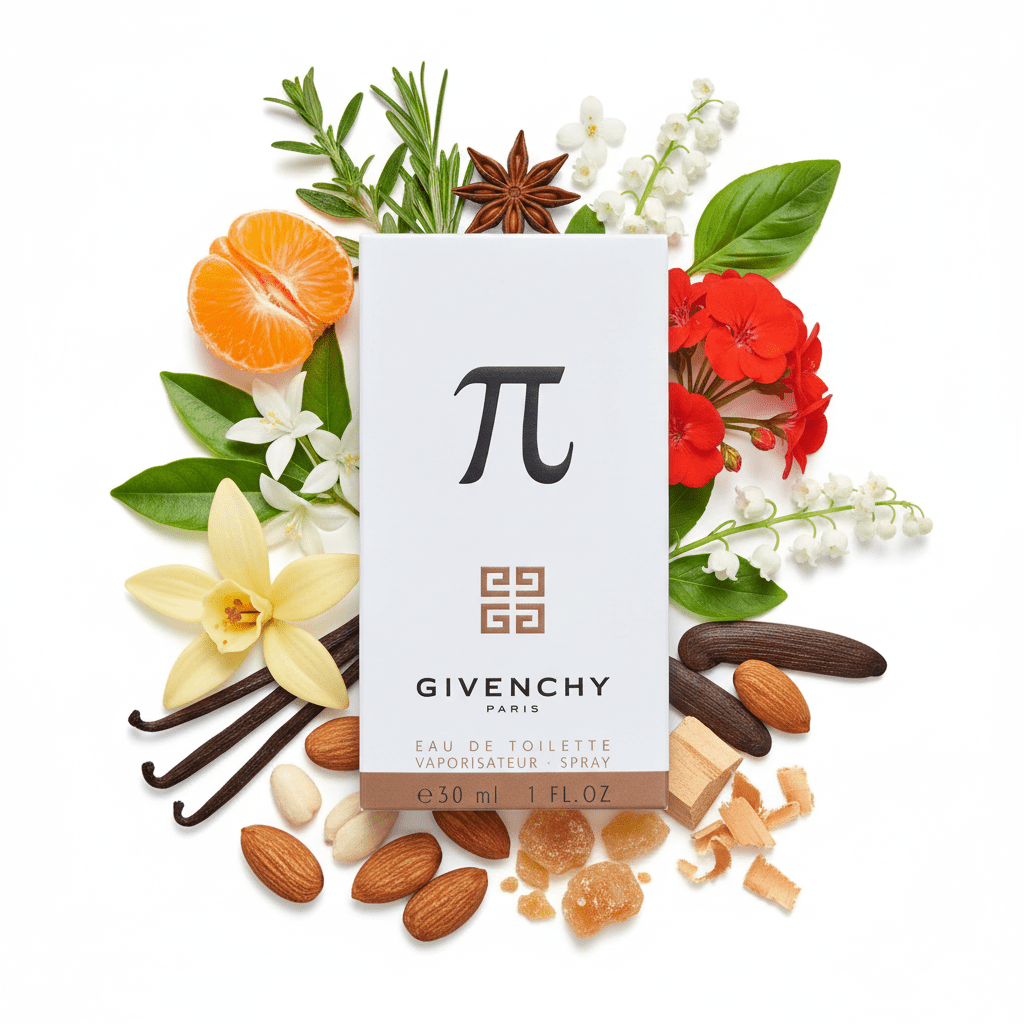
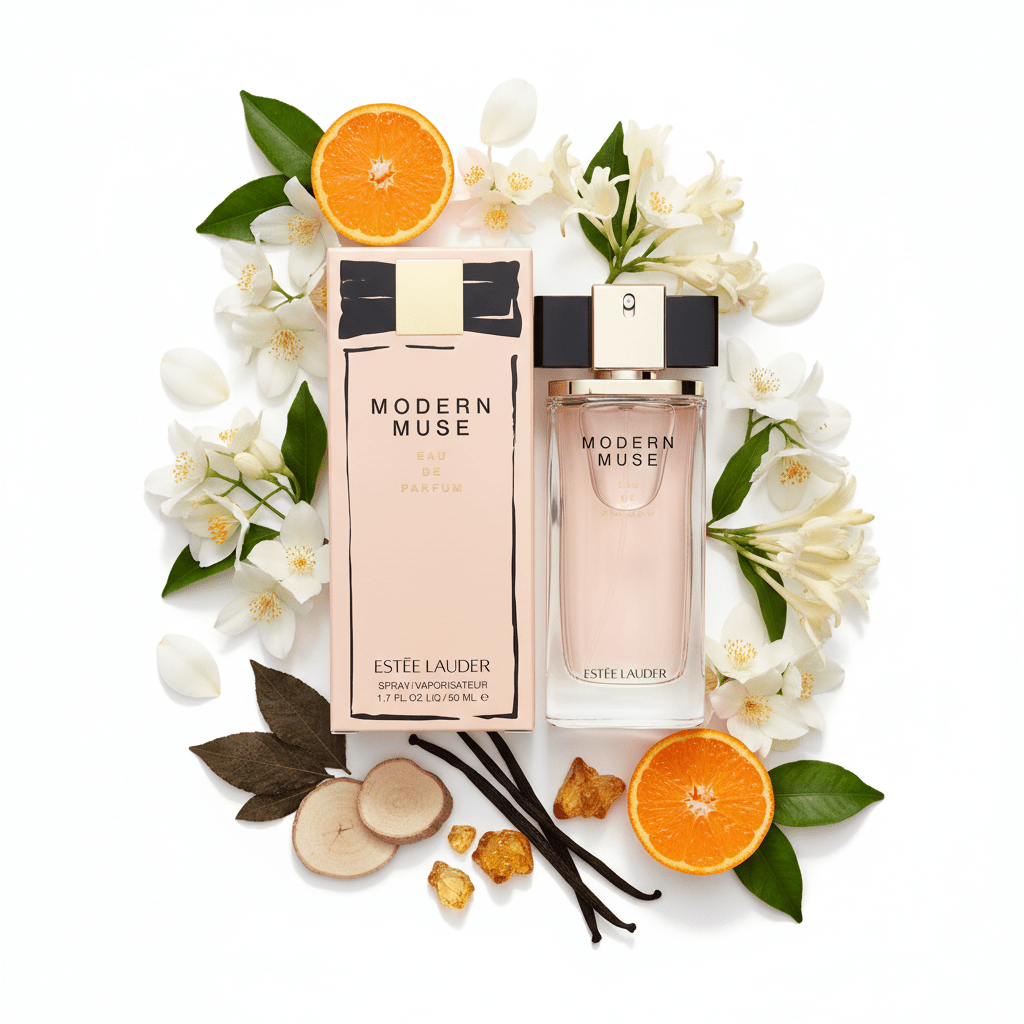
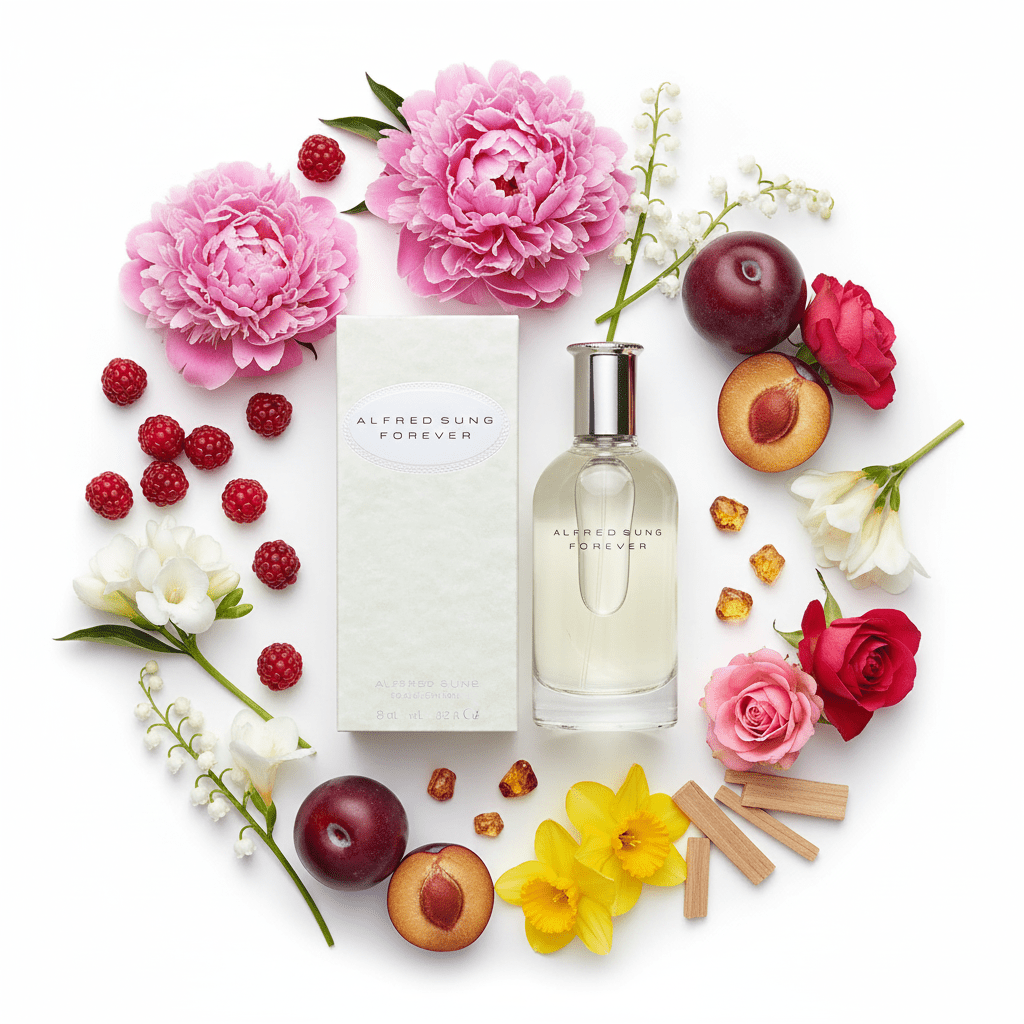
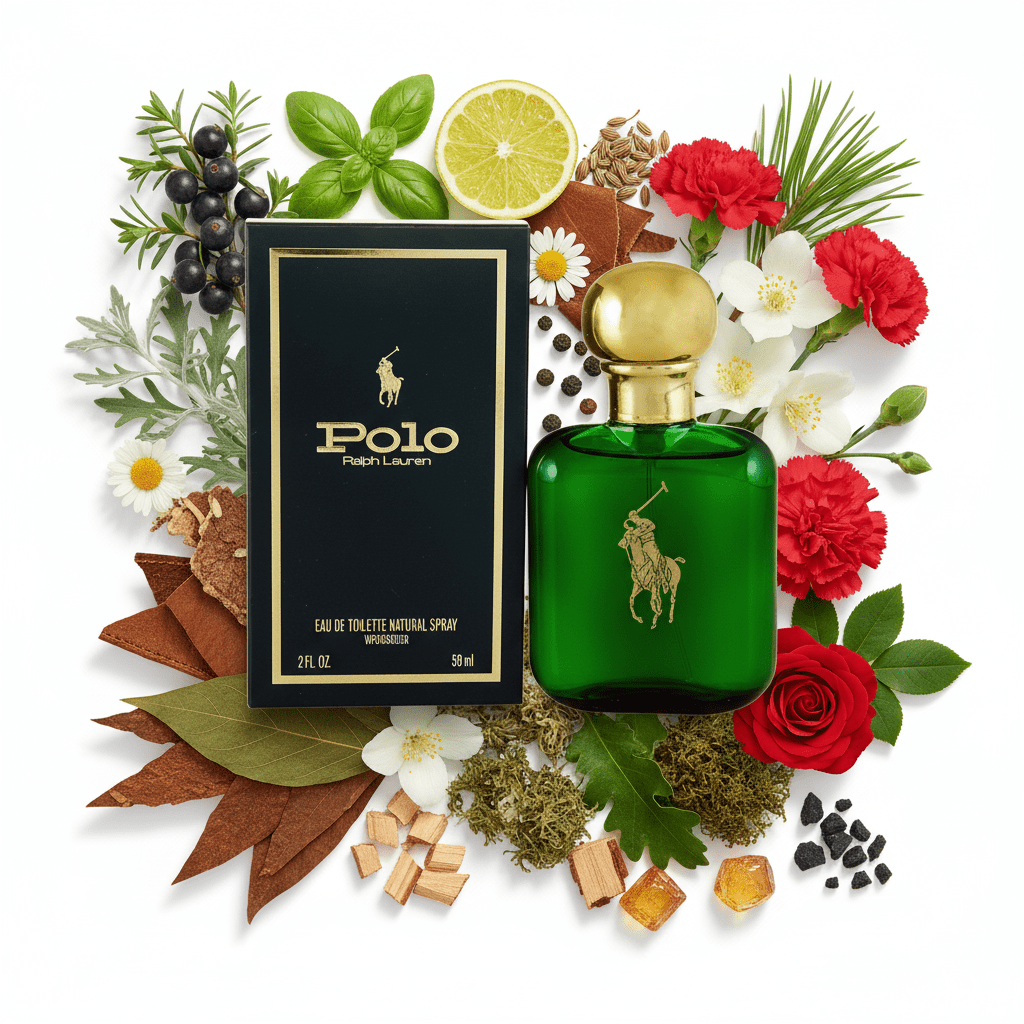
Very few perfumes duplicate Poison's combination of plum, tuberose, honey, incense, spice, vanilla, amber, and woods. These three fragrances from the South Beach Perfumes catalog explore meaningful parts of its rich, dramatic personality.
Hypnotic Poison by Christian Dior
Hypnotic Poison is the natural starting point for someone who enjoys Poison and wants to explore another member of the Dior Poison family.
Both fragrances contain plum, jasmine, tuberose, rose, vanilla, sandalwood, and musk, but the similarities end there.
Original Poison is darker, spicier, smokier, more floral, and more complex through wild berries, coriander, anise, incense, honey, cinnamon, opoponax, amber, vetiver, and cedar.
Hypnotic Poison is creamier, sweeter, nuttier, and more gourmand through coconut, apricot, bitter almond, and its prominent vanilla dry down.
Choose Hypnotic Poison if you love Poison's sensuality but want more almond, vanilla, and creamy sweetness.
Obsession by Calvin Klein
Obsession by Calvin Klein is one of the strongest comparisons for someone who enjoys Poison's warm spicy amber personality.
Released in the same year, 1985, Obsession combines vanilla, citrus, peach, basil, spices, sandalwood, coriander, oakmoss, cedar, orange blossom, jasmine, rose, amber, incense, musk, and vetiver.
Both fragrances contain coriander, jasmine, rose, orange blossom, sandalwood, cedar, vanilla, amber, incense, musk, and vetiver.
Obsession feels warmer, more vanilla centered, more aromatic, and more traditionally amber spicy.
Poison feels fruitier, more floral, darker, and more dramatic because of plum, berries, tuberose, honey, anise, cinnamon, and opoponax.
Choose Obsession if you appreciate Poison's warmth and spice but want greater emphasis on vanilla, amber, sandalwood, and incense.
Youth-Dew by Estée Lauder
Youth-Dew is another excellent alternative for fragrance lovers attracted to Poison's spice, incense, florals, amber, and vintage intensity.
Youth-Dew combines spices, aldehydes, narcissus, lavender, orange, peach, bergamot, cinnamon, cloves, rose, ylang ylang, jasmine, lily of the valley, orchid, incense, balsams, oakmoss, amber, patchouli, vetiver, vanilla, and musk.
Both fragrances use flowers, warm spices, incense, amber, vanilla, vetiver, and musk to create rich statement perfumes.
Youth-Dew feels more resinous, balsamic, spicy, and traditionally vintage.
Poison feels fruitier, sweeter, more tuberose driven, and more theatrical through plum, wild berries, honey, anise, and opoponax.
Choose Youth-Dew if incense, spice, amber, and vintage perfume structure are your favorite aspects of Poison.
What is the difference between available Poison concentrations?
Poison has existed in several fragrance formats during its long history, so the specific version matters.
Poison Eau de Toilette
The South Beach Perfumes fragrance discussed here is vintage Poison Eau de Toilette.
South Beach Perfumes currently lists both a 1.7 oz vintage spray and a 3.4 oz vintage splash depending on inventory.
The spray and splash are application formats rather than different fragrance concentrations.
The Eau de Toilette is the classic Poison format most commonly associated with the fragrance today and retains the signature dark fruit, tuberose, honey, spice, vanilla, amber, and woody character.
Dior also continues to produce Poison Eau de Toilette in modern 1.7 oz and 3.4 oz presentations.
Poison Extrait de Parfum
Dior currently offers Poison Extrait de Parfum as a more concentrated interpretation.
François Demachy revisited the Poison accord for the Extrait, emphasizing coriander, vanilla, tuberose absolute, and May rose absolute.
The Extrait is deeper, richer, and more concentrated than the Eau de Toilette and is intended to create a more persistent fragrance trail.
It should not be described as simply the Eau de Toilette with more fragrance oil. The composition has been adjusted to emphasize particular parts of the Poison signature.
Vintage Poison Versions
Poison has existed in other historical fragrance presentations over the decades.
Collectors may encounter vintage Parfum, Esprit de Parfum, Eau de Cologne, splash bottles, or other discontinued formats.
These older presentations can differ from current production in concentration, formula, packaging, and scent development.
If you want the version featured by South Beach Perfumes, pay attention to the exact product description and select Poison Eau de Toilette Vintage.
Learn more about fragrance concentrations
Is Poison discontinued?
No. Poison by Christian Dior is not discontinued.
Dior currently sells Poison Eau de Toilette and Poison Extrait de Parfum as part of the active Poison fragrance collection.
The distinction is important because the South Beach Perfumes listing featured here contains vintage Poison Eau de Toilette inventory.
Vintage refers to an older production period. It does not mean that the overall Poison fragrance has been discontinued.
Current Dior Poison may differ from an older bottle because fragrance formulas, ingredient restrictions, raw materials, packaging, bottle designs, and manufacturing processes can change over decades.
A vintage bottle should therefore not be expected to smell completely identical to a bottle produced today.
For collectors and longtime Poison wearers, those differences can make vintage production especially desirable.
When was Poison released?
Poison by Christian Dior was released in 1985.
Its arrival became one of the defining fragrance launches of the decade.
The perfume emerged during an era when strong amber, floral, spicy, and opulent fragrances dominated designer perfumery, but Poison distinguished itself through its unusual combination of dark plum, berries, tuberose, honey, anise, coriander, incense, spice, vanilla, amber, and woods.
Its distinctive purple bottle and provocative name reinforced the fragrance's mysterious identity.
Poison became so strongly associated with bold 1980s perfumery that it remains one of the fragrances most frequently referenced when discussing the era.
More than four decades later, Dior continues to sell the original Poison fragrance line.
Who created Poison?
Poison was principally created by perfumer Edouard Fléchier under the fragrance direction of Maurice Roger at Christian Dior.
Modern fragrance databases sometimes credit both Fléchier and Roger with the creation, while historical discussions often identify Fléchier as the perfumer responsible for the formula and Roger as the creative force directing the project.
The resulting composition was unusually complex.
Plum and berries provide the dark fruit opening.
Coriander and anise create aromatic spice.
Tuberose dominates the floral heart while jasmine, carnation, rose, and orange blossom add complexity.
Honey provides sweetness.
Incense and opoponax introduce smoke and resin.
Vanilla, amber, sandalwood, heliotrope, vetiver, cedar, and musk form the rich foundation.
The fragrance became one of the most recognizable creations associated with Fléchier's career.
How many sprays of Poison should be used?
Poison is powerful, particularly in vintage formulations, so restraint is important.
Office or close environment: 1 spray
Daytime during cool weather: 1 to 2 sprays
Date night: 2 to 3 sprays
Evening event: 2 to 4 sprays
Outdoor cold weather: 3 to 4 sprays depending on preference
Good application points include the sides of the neck, upper chest, wrists, and behind the ears.
If using the vintage splash version rather than the spray, apply a small amount directly to pulse points instead of attempting to replicate the same quantity as several atomizer sprays.
Allow Poison time to develop before adding more.
Its tuberose, honey, vanilla, amber, incense, and woods become fuller as the fragrance warms on the skin.
Is Poison authentic?
Yes. South Beach Perfumes guarantees that the designer fragrances it sells are 100% authentic, original brand name products.
The vintage Poison offered by South Beach Perfumes is authentic Christian Dior fragrance rather than an imitation, replica, counterfeit, or inspired perfume.
Authenticity deserves particular attention with vintage fragrance.
Older Poison bottles may differ from current Dior production in bottle shape, labeling, packaging, liquid color, formula, batch codes, manufacturing information, and available bottle sizes.
Those differences do not automatically indicate that an older bottle is counterfeit.
A fragrance introduced in 1985 has passed through multiple production periods, and vintage bottles should be evaluated according to their own manufacturing era rather than compared only with the packaging Dior sells today.
Learn more about our product guarantee policy
Who should buy Poison?
Poison is particularly well suited for women who enjoy:
Vintage fragrances
Dark fruity perfumes
Plum fragrances
Tuberose
Jasmine
Honey
Incense
Warm spices
Vanilla
Amber
Sandalwood
Powdery fragrances
Long lasting perfumes
Strong projection
Statement fragrances
Fall perfumes
Winter fragrances
Date night perfumes
Classic Dior fragrances
1980s perfume
Collectible vintage fragrance
It is particularly appealing for someone who wants fragrance to feel memorable.
Poison does not try to smell neutral, universally agreeable, or invisible.
Its personality is the reason to buy it.
The vintage South Beach Perfumes bottles may also appeal to longtime Poison wearers and collectors looking for older Dior production.
Who may not like Poison?
Poison may not appeal to someone who prefers light fragrances.
Its tuberose, plum, honey, incense, spices, vanilla, amber, and woods create substantial richness.
Someone who dislikes tuberose should be particularly cautious because the white floral note is central to the fragrance.
Anise and coriander can also create a spicy aromatic quality that may feel unusual to people accustomed to modern fruity florals.
Honey contributes noticeable sweetness, while incense and opoponax give the perfume a darker resinous character.
Poison may also feel distinctly vintage to someone whose fragrance experience is centered around clean musk, aquatic scents, light citrus, or contemporary vanilla gourmands.
Its projection can be another challenge.
This is not a perfume designed to remain invisible.
For the right wearer, all of these qualities are advantages. For someone who wants something quiet and uncomplicated, they may be exactly the reasons to choose another fragrance.
Final South Beach Perfumes Expert Review
Poison by Christian Dior represents an era when fragrance was expected to make an entrance.
Few ingredients demonstrate that more clearly than the opening combination of plum, wild berries, coriander, anise, and rosewood. The fruit feels dark and almost overripe rather than crisp, while the spices immediately signal that Poison will not develop into an ordinary fruity perfume.
Then comes the tuberose.
It is difficult to discuss Poison without giving tuberose a central role because the flower provides much of the fragrance's intoxicating character. Jasmine, carnation, rose, and orange blossom surround it, but honey, incense, cinnamon, and opoponax transform the bouquet into something darker and warmer.
The base continues that intensity.
Vanilla provides sweetness, sandalwood creates smoothness, amber adds warmth, heliotrope contributes powder, vetiver introduces dryness, cedar gives structure, and musk helps the fragrance remain on the skin.
The result is remarkably difficult to confuse with another perfume.
Poison is fruity without being fresh.
It is sweet without being a modern gourmand.
It is floral without being delicate.
It is spicy without becoming dry.
It is woody and smoky without losing its femininity.
That contrast is why the fragrance still feels significant.
Its strongest quality is identity. Even in a fragrance collection containing dozens of bottles, Poison is unlikely to disappear into the background.
Its greatest limitation is the same quality.
There is no neutral version of Poison. Someone who dislikes tuberose, honey, dark fruit, incense, or vintage perfume structure is unlikely to suddenly find it subtle.
The vintage Eau de Toilette offered by South Beach Perfumes adds another layer of interest because older Poison production can provide collectors and longtime wearers access to a fragrance from an earlier stage of the scent's history.
Dior continues to sell Poison today, which says something important about the fragrance's staying power. Very few perfumes introduced in 1985 remain active parts of a major luxury house's collection more than four decades later.
South Beach Perfumes Expert Verdict: A legendary 1985 amber floral built around dark plum, wild berries, tuberose, honey, incense, cinnamon, vanilla, amber, sandalwood, heliotrope, vetiver, cedar, and musk. Poison is powerful, complex, dramatic, and unmistakably individual, making it especially strong for fall, winter, evening wear, romantic dinners, formal occasions, fragrance collectors, and anyone who wants perfume to leave a memorable impression.
Still deciding which fragrance style best represents you? Explore our Ultimate Guide to Finding Your Signature Scent.




0 comments